When Token Architecture Becomes a Business Growth Bottleneck
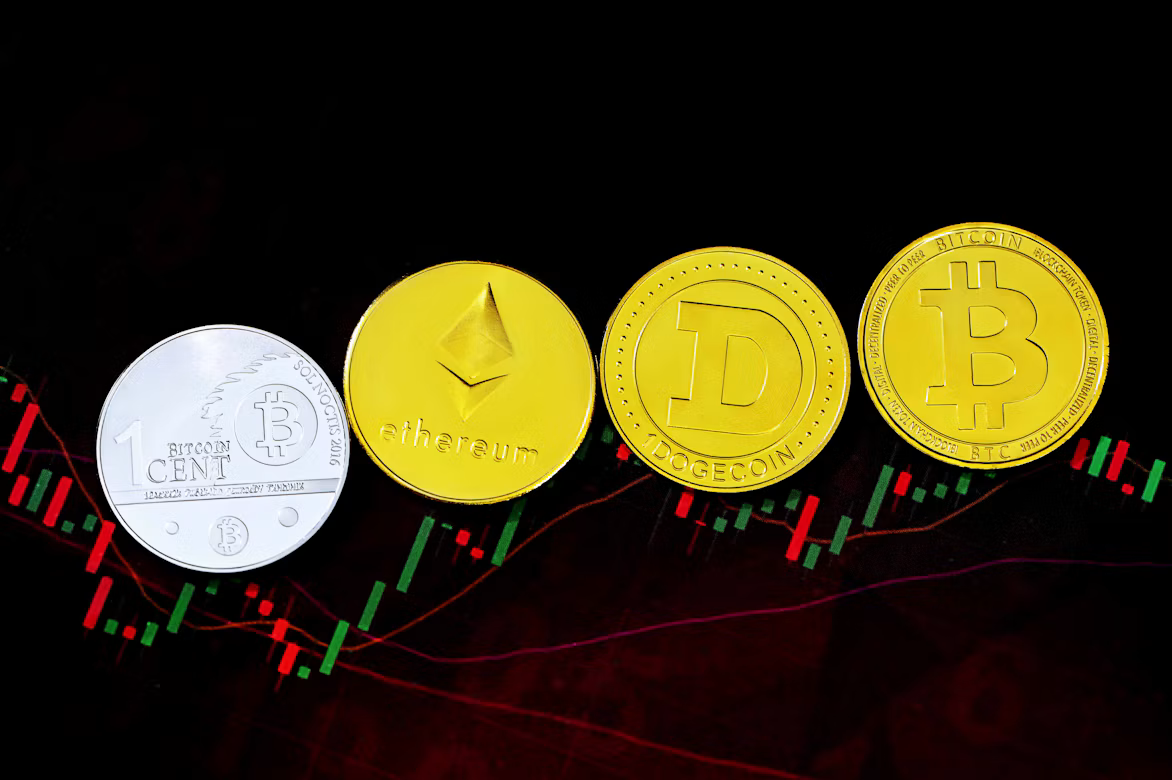
A Web3 business can have a strong product, an active community, and growing demand, yet struggle to expand because its token architecture cannot support new requirements.
Token architecture determines how digital assets are issued, transferred, managed, and integrated into an ecosystem. Decisions involving token supply, smart contract permissions, and utility can directly affect product development and business operations.
An architecture that works during the initial launch may become restrictive as transaction volumes increase, new services emerge, or the business expands into additional blockchain networks.
Recognizing these limitations helps founders plan upgrades before they affect product performance, security, or long-term growth.
1. How Token Architecture Influences Business Growth
Token architecture establishes the technical and economic foundation of a Web3 product. It includes token standards, smart contracts, supply management, transaction rules, and blockchain integrations.
These components support different business activities. A gaming platform may use tokens for purchases and rewards, while a DeFi protocol may require staking, liquidity management, and governance.
Problems emerge when business requirements change but the original infrastructure remains unchanged. Developers may need additional contracts or complicated workarounds to introduce new features.
Token architecture should therefore be treated as an evolving part of business infrastructure rather than a one-time development task.
2. When Existing Architecture Restricts Product Expansion
One common warning sign is the difficulty of introducing new features.
Consider a Web3 gaming business that initially uses tokens for in-game purchases. As the platform grows, it introduces marketplaces, tournament rewards, and staking.
The original token model may not support these activities efficiently. Developers might need additional contracts or modifications to existing rules.
This increases maintenance requirements and diverts development resources from new product features.
Founders should reassess their architecture when routine product updates repeatedly require complex technical workarounds.
3. Transaction Costs and Performance Affect User Experience
A growing user base generates more token transfers, contract interactions, and marketplace transactions. High gas fees and network congestion can make these activities expensive.
Ethereum's Dencun upgrade in March 2024 introduced EIP-4844, reducing data costs for layer-2 networks through blob transactions. This helped improve the economics of rollup-based scaling.
Ethereum Foundation
For growing businesses, layer-2 deployments, transaction batching, and improved contract execution can help address performance limitations.
The right approach depends on transaction volume, security requirements, and user needs.
4. Limited Token Utility Can Restrict Business Opportunities
A token with limited functionality may struggle to support an expanding product ecosystem.
For example, a platform may initially use its token for payments. Later, it may introduce premium services, staking, and governance. These activities can require changes to the original economic model.
Founders should evaluate whether their tokens support:
- Payments for products and services.
- Access to ecosystem features.
- Governance participation.
- Staking and user incentives.
Adding more utilities does not automatically create value. Each function should support a genuine business requirement.
5. Multi-Chain Expansion Introduces Complexity
Expanding into additional blockchain networks can help businesses reach new users and access different ecosystems.
However, multi-chain deployment creates challenges involving token supply, liquidity, interoperability, and security.
For example, a business expanding from Ethereum to another network must determine how tokens move between chains and how circulating supply remains consistent.
Cross-chain bridges also introduce security risks. A vulnerability in a bridge can affect connected assets even when the original token contract remains secure.
Businesses should expand into additional networks based on actual product demand rather than treating multi-chain deployment as an automatic growth strategy.
6. Smart Contract Limitations Make Upgrades Difficult
Smart contracts control token transfers, supply rules, and administrative permissions. Traditional deployed contracts are generally immutable, making future changes difficult.
Upgradeable proxy architectures offer one solution by allowing developers to update implementation logic while retaining the proxy address.
However, upgrades introduce risks involving storage layouts, permissions, and implementation security.
OpenZeppelin
Businesses should plan upgrade mechanisms, administrative controls, and testing procedures before deployment.
7. Polygon's MATIC-to-POL Transition Offers a Practical Example
Polygon's transition from MATIC to POL demonstrates how token infrastructure can evolve alongside an expanding ecosystem.
On September 4, 2024, Polygon upgraded MATIC to POL. The new token became the native gas and staking token on Polygon PoS.
Polygon PoS holders received the upgrade automatically, while Ethereum holders needed to follow a migration process. Applications and infrastructure providers also had to consider token compatibility and integration updates.
Polygon reported that approximately 99% of MATIC had migrated to POL by September 2025.
This transition highlights why token migrations require technical planning, application compatibility checks, and clear communication.
8. When Should Businesses Reassess Token Architecture?
Founders should review their existing infrastructure when they notice:
- Repeated contract limitations during feature development.
- Rising transaction and maintenance costs.
- Token utilities that no longer support business objectives.
- Difficulties integrating additional blockchain networks.
- Increasing security and administrative complexity.
A technical assessment can identify which components need upgrades without requiring a complete redesign.
9. Preparing Token Architecture for Long-Term Growth
A scalable token architecture begins with a clear understanding of the business roadmap.
Developers should assess token standards, supply mechanisms, contract permissions, and integration requirements before deployment. Regular security reviews and proper documentation also help manage future changes.
The goal is not to build unnecessary complexity from the beginning. It is to establish infrastructure that supports current operations while allowing practical upgrades as the business grows.
Conclusion
Token architecture becomes a business growth bottleneck when its original design can no longer support expanding product requirements. Limited utility, rising transaction costs, contract restrictions, and multi-chain dependencies can slow development.
Founders should regularly reassess their infrastructure to identify limitations and plan necessary upgrades.
Blockchain App Factory provides token development solutions covering token architecture, smart contract development, tokenomics, and blockchain integration. The right technical foundation helps businesses build adaptable token ecosystems that support long-term product growth.