System Integration in Electronics Manufacturing: Connecting Assembly, Testing, and Delivery
Modern electronic products often consist of multiple components, circuit boards, mechanical structures, and supporting systems that must work together as a complete solution. Manufacturing these products requires more than assembling individual parts. Each element must be connected, configured, tested, packaged, and prepared for delivery according to the product's technical specifications and the customer's operational requirements.
System integration brings these activities together into a coordinated manufacturing process. It connects board-level assembly with complete electronic and electromechanical assembly, testing, packaging, and fulfillment. By managing these stages as part of an integrated workflow, manufacturers can help simplify production, improve coordination, and support a more efficient transition from individual components to finished products.

Understanding System Integration in Electronics Manufacturing
System integration involves combining electronic, mechanical, and supporting components into a complete, functioning product or system. It requires an understanding of how individual assemblies interact and how they must be configured to meet the intended application.
A product may contain several printed circuit boards, power supplies, wiring harnesses, connectors, enclosures, displays, and mechanical components. Each item has its own manufacturing and handling requirements, but the finished product must operate as a coordinated whole.
The integration process begins by understanding the product architecture and the customer's specifications. Engineering and manufacturing teams evaluate the required assemblies, interfaces, materials, testing procedures, and delivery expectations. This helps establish a production approach that accounts for the complete system rather than treating each component as an unrelated task.
Depending on the project, integration may involve a specific assembly operation or a broader turnkey manufacturing arrangement covering multiple production stages.
Scaling Manufacturing Around Customer Requirements
Different electronic products require different manufacturing approaches. Some customers need support with a challenging assembly operation, while others require a manufacturing partner capable of managing an entire production program.
Flexible manufacturing arrangements make it possible to scale services according to product complexity, production volume, and customer requirements. A manufacturer may handle selected operations, such as circuit board assembly or electromechanical integration, while the customer manages the remaining activities.
For more comprehensive programs, dedicated production lines can support turnkey manufacturing. These arrangements bring multiple operations together under a coordinated workflow, helping maintain consistency as products move through assembly, testing, packaging, and delivery.
The appropriate structure depends on factors such as production schedules, product configuration, required resources, and expected demand. A manufacturing approach that reflects these variables can help avoid unnecessary process complexity while ensuring that each stage receives the attention it requires.
Board-Level Assembly as the Foundation
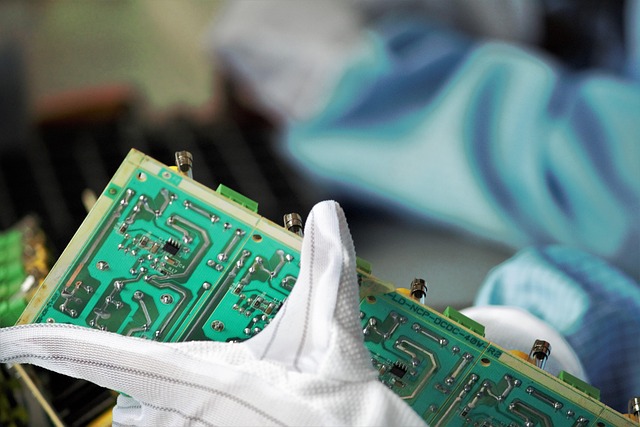
Printed circuit board assembly is often a central part of electronic system integration. Circuit boards contain the components and electrical connections responsible for controlling, processing, and distributing signals or power throughout a product.
Once assembled, these boards may need to be incorporated into larger electronic or electromechanical structures. This requires attention to connectors, wiring, mounting arrangements, enclosure dimensions, and other interfaces that determine how the board interacts with the rest of the system.
Successful integration depends on compatibility between the board design and the complete product configuration. Electrical connections must match the intended architecture, while mechanical features must allow the assembly to fit securely within its enclosure or supporting structure.
Manufacturing teams also need to preserve the quality of completed board assemblies during handling and integration. Damage to connectors, components, solder joints, or circuit traces can affect the performance of the finished system. Appropriate handling procedures and inspection checkpoints help reduce these risks.
Full System Electronic and Electromechanical Assembly
System integration extends beyond circuit boards to include the assembly of complete electronic and electromechanical products. Electronic assembly focuses on combining circuit boards, electrical components, connectors, cables, and related hardware. Electromechanical assembly adds mechanical structures and moving or supporting elements that interact with the electronic system.
These activities require coordination between electrical and mechanical requirements. Components must be installed in the correct positions, connections must follow the product specifications, and mechanical interfaces must support the intended operation.
For example, an electronic control assembly may need to be installed inside a protective enclosure alongside power components, wiring, switches, and mechanical mounting hardware. Each element must be correctly positioned and connected before the complete unit can be evaluated.
The complexity of this work varies by product. Some assemblies require straightforward component installation, while others involve multiple subsystems, intricate wiring, and carefully sequenced assembly procedures. Clear instructions, controlled processes, and appropriate verification help ensure that the final configuration matches the approved design.
Integrating Testing Into the Manufacturing Process
Testing is an essential part of system integration because successful assembly does not automatically guarantee correct system performance. Individual components may function properly on their own but encounter problems when connected to other parts of the product.
Integration testing evaluates how these components and subsystems work together. It can help identify wiring errors, connection problems, incompatible interfaces, configuration issues, and unexpected interactions between electronic and mechanical elements.
Testing requirements should be established according to the product specifications and intended application. Depending on the system, verification may include electrical checks, functional testing, programming validation, communication testing, and inspection of mechanical interfaces.
Testing at appropriate stages can also make troubleshooting more efficient. Identifying a problem during subsystem integration may be easier than investigating the same issue after the entire product has been packaged. A structured verification process helps ensure that products meet defined requirements before moving to the next manufacturing stage.
Packaging and Fulfillment for Finished Products
The manufacturing process does not necessarily end when assembly and testing are complete. Finished electronic products may require protective packaging, labeling, documentation, inventory coordination, and preparation for shipment.
Packaging must account for the product's size, construction, and sensitivity. Electronic assemblies may need protection against physical impact, electrostatic discharge, moisture, or other conditions that could affect their quality during storage and transportation.
Packaging requirements should be considered alongside the product's manufacturing and delivery specifications. This helps ensure that the correct materials and procedures are used and that completed products are prepared consistently.
Fulfillment adds another layer of coordination. Products may need to be organized by order, quantity, configuration, or delivery schedule. Accurate identification and documentation help maintain visibility as finished units move from production into distribution.
When packaging and fulfillment are included in an integrated manufacturing arrangement, customers can coordinate fewer separate operational steps and maintain a clearer connection between production completion and delivery.
Turnkey Manufacturing and Dedicated Production Lines
Turnkey manufacturing brings several manufacturing services together under one coordinated arrangement. Instead of managing separate providers for assembly, testing, packaging, and delivery, customers can work with a manufacturing partner responsible for coordinating the required activities.
Dedicated production lines can be structured around a particular product or program. This may involve assigning equipment, personnel, production space, and established procedures to support recurring manufacturing requirements.
A dedicated line can help create consistency across production runs because processes are organized around the specific assembly and its technical requirements. It can also support more predictable scheduling and coordination when production demand increases.
However, turnkey manufacturing is not the same solution for every project. Some customers may only need selected services, while others benefit from broader production support. The best arrangement depends on the level of integration required, the complexity of the product, and the resources needed to meet delivery expectations.
Customer Collaboration and Program Flexibility
Effective system integration depends on communication between the customer and manufacturing team. Product specifications, engineering changes, production schedules, quality expectations, and delivery requirements all influence how integration activities should be organized.
Collaboration helps establish a shared understanding of these requirements before manufacturing begins. It also provides a way to address challenges as they arise, whether they involve component availability, assembly methods, production capacity, or changes to the product configuration.
Because every customer and product is different, integration solutions should be developed around the actual needs of the program. A flexible approach may involve adjusting production workflows, assigning specialized personnel, coordinating additional testing, or expanding the scope of manufacturing services.
Resource planning is an important part of this process. Complex programs may require investment in equipment, engineering time, production capacity, and trained personnel. Planning these resources early helps ensure that the manufacturing arrangement can support the required scope and schedule.
Improving Efficiency Through Integrated Manufacturing
When manufacturing activities are disconnected, customers may need to coordinate multiple suppliers, transfer products between facilities, manage separate schedules, and reconcile different documentation processes. Each handoff can introduce additional communication requirements and opportunities for delays.
An integrated manufacturing workflow helps connect these activities. Board-level assembly, complete system assembly, testing, packaging, and fulfillment can be coordinated within a defined production structure. This improves visibility across the manufacturing process and helps teams identify issues before they affect downstream operations.
Integration can also support more consistent quality management. Shared procedures, inspection requirements, and production records make it easier to track progress and maintain control over the finished product.
The goal is not simply to combine more services under one arrangement. It is to create a manufacturing process in which each stage supports the next, reducing unnecessary complexity while maintaining the technical and quality requirements of the product.
Choosing the Right System Integration Approach
The right system integration strategy depends on the product, its production requirements, and the level of manufacturing support needed. Some programs require assistance with a specialized assembly, while others benefit from a complete turnkey solution that includes manufacturing, electronic and electromechanical assembly, testing, packaging, and fulfillment.
A capable integration partner should understand how these activities connect and be prepared to organize the necessary resources around the customer's requirements. Careful planning, clear communication, controlled processes, and appropriate testing help ensure that individual components become reliable finished products.
As electronic systems become more complex, coordinated manufacturing becomes increasingly important. By connecting assembly operations with testing, packaging, and delivery, system integration provides a practical way to manage complex production programs and bring complete electronic products to market efficiently.