Why Proper Concrete Curing Helps Support Long-Term Structural Durability
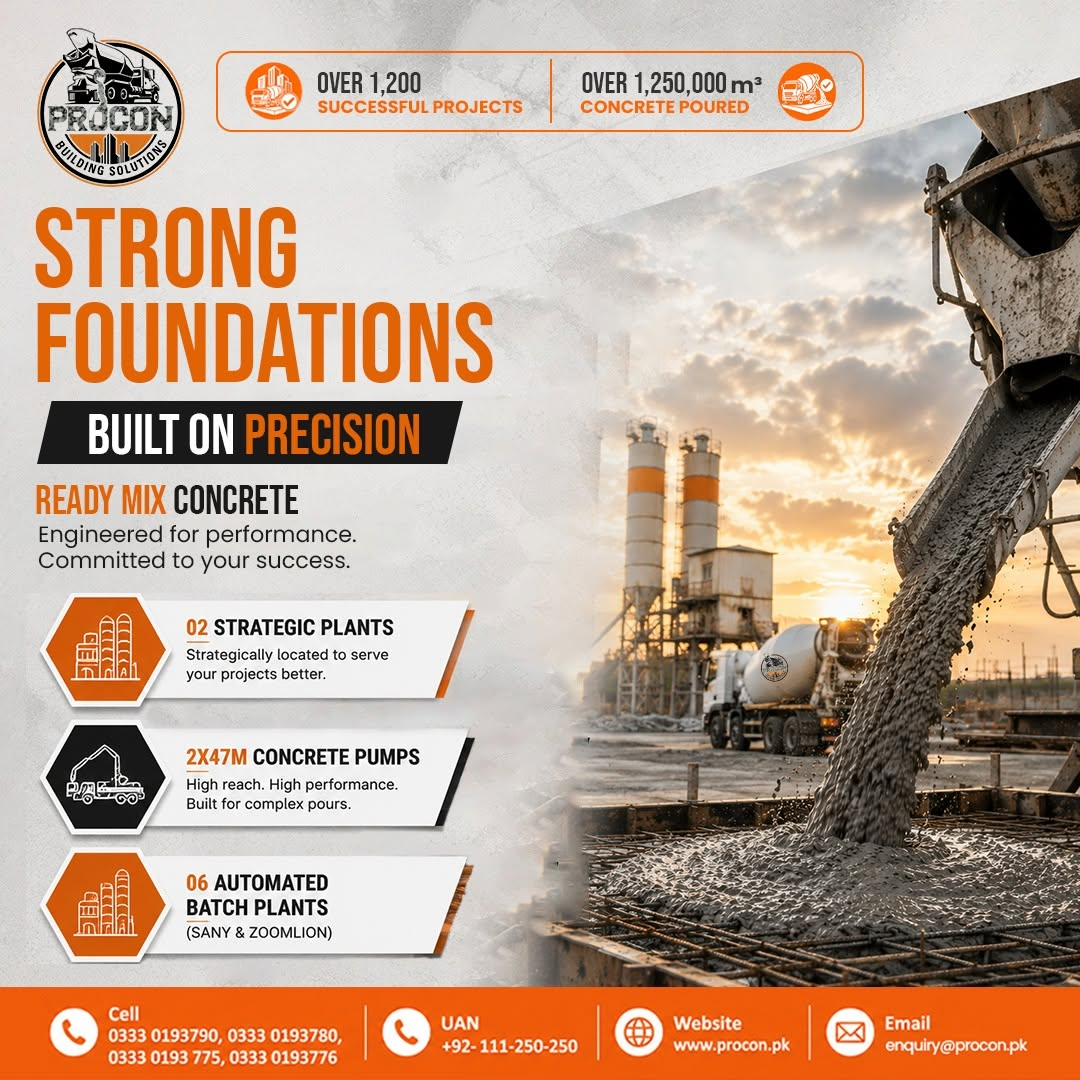
In the demanding world of modern architecture and civil engineering, the structural integrity of a building is rarely determined on the day of the pour alone. While selecting high-grade materials and executing precise placement are vital steps, the long-term performance of concrete relies heavily on what happens after it is poured. Concrete does not dry to harden; rather, it gains its strength through a complex chemical reaction known as hydration. This process requires continuous moisture and favorable temperatures over an extended period. Without proper curing, the internal hydration process stalls prematurely, leaving the material weak, porous, and vulnerable to environmental decay. For developers and contractors striving for uncompromised structural longevity in high-stakes environments, sourcing ready mix concrete in Karachi ensures that the material foundation starts with optimal engineering specifications.
The Science of Hydration and Matrix Density
Hydration is the chemical reaction between cement particles and water that creates calcium silicate hydrate gel—the binding matrix that gives concrete its strength. If water evaporates too quickly from the exposed surfaces of a fresh pour, the cement lacks the essential moisture needed to complete this reaction. This premature drying leaves behind a porous, weak micro-structure riddled with microscopic capillaries. Proper curing methods, such as continuous water spraying, ponding, or applying liquid membrane-forming curing compounds, maintain the internal relative humidity required for hydration to continue unhindered. This dense, tightly packed matrix is what ultimately grants concrete its high compressive strength and load-bearing capacity.
Mitigating Plastic Shrinkage and Surface Cracking
During the initial hours following placement, rapid moisture loss due to wind, low humidity, or high ambient temperatures can cause the surface to contract faster than the underlying layers, resulting in plastic shrinkage cracks. These micro-cracks not only ruin aesthetic finishes but also serve as direct highways for external moisture and aggressive chemicals to penetrate the core of the element. Consistent curing stabilizes internal moisture gradients, reducing early volume changes and effectively shielding the structure from surface crazing, thermal cracking, and structural weakening before the concrete has achieved adequate tensile strength.
Defending Against Environmental Aggression and Permeability
The ultimate test of structural durability is how well a building withstands decades of exposure to moisture, carbon dioxide, chloride ions, and cyclic temperature shifts. A poorly cured concrete element remains highly permeable, allowing water and corrosive agents to seep deep into the matrix. Once moisture reaches the internal reinforcing steel (rebar), it triggers rust and expansive internal pressure, leading to spalling and catastrophic structural degradation. Thorough curing drastically reduces concrete permeability, creating an impenetrable chemical shield that protects internal steel reinforcement and ensures decades of safe, maintenance-free operation.
The Advantage of Professional Supply and Technical Partnership
Achieving a durable structure requires seamless coordination between mix design, batching precision, and post-pour management. Utilizing industrial-grade batching services eliminates the erratic variables of traditional site mixing, ensuring that the concrete arrives with optimal cement content and precise aggregate grading. Partnering with elite material providers specializing in ready mix concrete in Karachi allows project managers to streamline site operations, maintain rigorous quality standards, and focus on effective curing practices that protect their structural investments.
Conclusion
Proper concrete curing is the vital final link in the chain of structural construction, transforming fresh material into an enduring, high-strength asset. By sustaining the chemical hydration process, preventing early shrinkage cracks, and drastically lowering permeability, builders safeguard structures against decades of environmental wear. Committing to diligent post-pour curing protocols alongside professional material supply remains the definitive key to achieving flawless, long-lasting construction outcomes across any modern engineering landscape.
Survey No. 423, Ibrahim Hydri, behind Bol head quarter, Korangi creek road, Karachi-74900
+92 21 111 250 250