Why Concrete Delivery Documentation Supports Construction Quality Audits
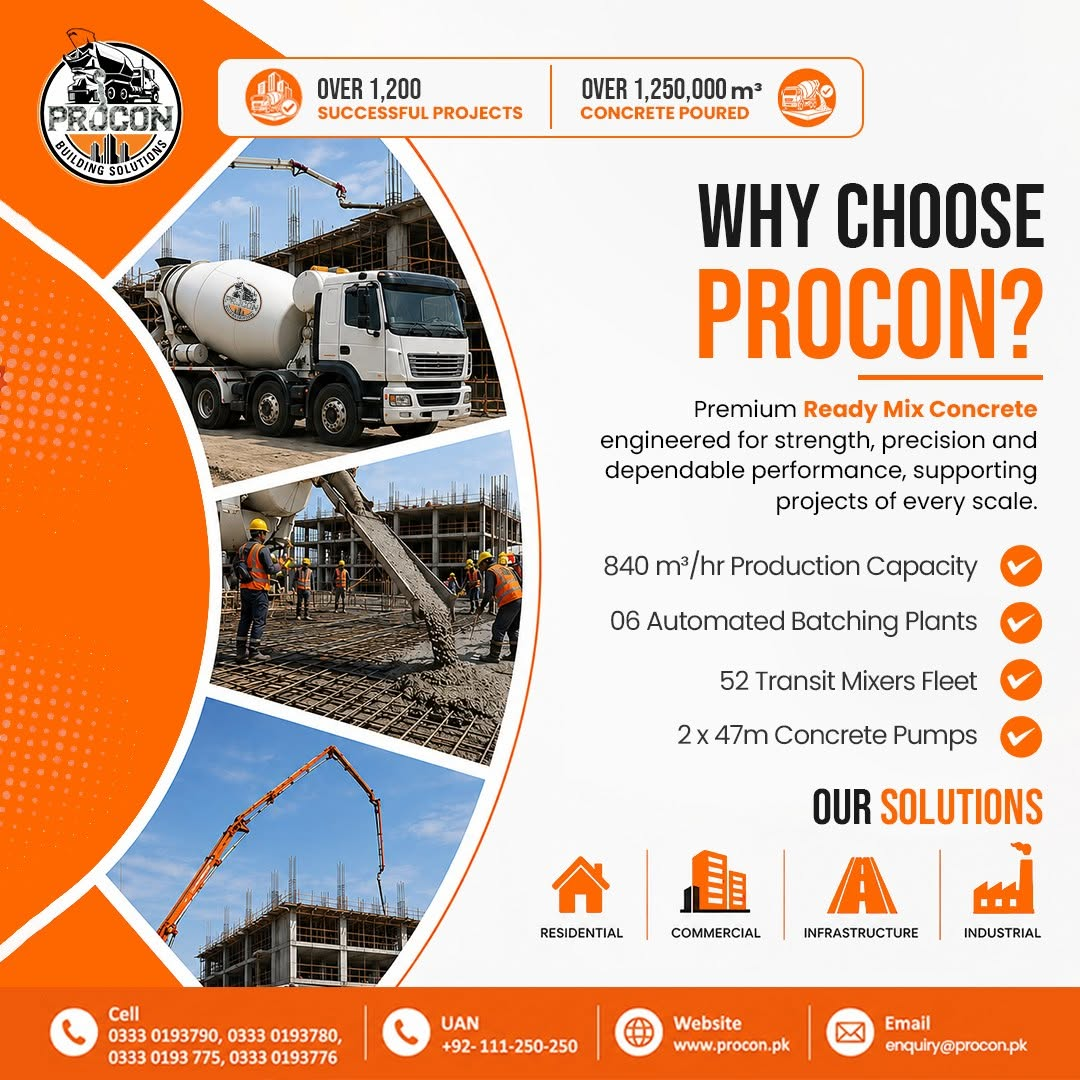
In the demanding world of modern commercial construction and civil engineering, quality assurance is the ultimate safeguard of structural safety. Every high-rise tower, expansive industrial complex, and critical bridge foundation relies on the verified performance of its structural materials. However, verifying that a completed structure meets rigorous engineering standards requires more than visual inspections after the concrete has hardened. It demands a transparent, unbroken chain of documentation tracking every phase of material delivery and placement. When quality auditors evaluate a construction project, concrete delivery tickets and digital batching records serve as the definitive historical proof of what went into the formwork. For major building enterprises seeking absolute transparency and material reliability, partnering with established providers such as ready made concrete Karachi ensures that every truckload is backed by meticulous, auditable delivery documentation.
The Critical Role of Delivery Tickets in Quality Audits
A concrete delivery ticket is far more than a simple receipt for billing purposes; it is a legally binding quality assurance document. Every time a transit mixer arrives at a job site, the driver presents a ticket generated directly by the batching plant's computerized control system. During a formal construction quality audit, inspectors scrutinize these tickets to verify that the delivered material strictly matches the approved engineering specifications.
Key data points reviewed during a delivery audit include:
- Batching Timestamps: Recording the exact minute water was introduced to the cement, establishing the chronological baseline for the concrete's critical initial setting window.
- Proportioning Weights: Verifying the precise quantities of cement, coarse aggregates, fine sands, and water loaded into the truck, ensuring compliance with the approved mix design.
- Admixture Dosages: Documenting the exact amount and type of chemical admixtures—such as superplasticizers, retarders, or air-entraining agents—included in the mix.
Tracing Mix Adjustments and On-Site Modifications
One of the most frequent challenges during a quality audit is investigating how environmental factors or job-site delays impacted the fresh concrete. If a transit mixer is delayed in urban traffic or experiences a mechanical pump failure on site, the workability of the concrete can degrade rapidly. Delivery tickets and accompanying field notes record whether water or approved admixtures were added on site to restore slump. Auditors rely heavily on these records to determine if adjustments were made within allowable engineering limits or if unauthorized water additions compromised the final water-cement ratio and compressive strength. Sourcing reliable commercial materials from professional providers specializing in ready made concrete Karachi ensures that delivery documentation is precise, transparent, and fully compliant with structural auditing standards.
Eliminating Liability and Resolving Disputes
When core compression tests reveal a strength anomaly or a structural defect arises during construction, financial and legal liabilities escalate rapidly. Contractors, structural engineers, and material suppliers frequently find themselves at odds over who is responsible for the failure. Comprehensive delivery documentation eliminates the guesswork in these high-stakes disputes. If audit trails prove that the concrete was batched accurately, delivered within acceptable timeframes, and tested correctly upon arrival, project teams can quickly isolate whether the root cause stems from improper on-site curing, lack of internal vibration, or formwork movement.
Conclusion
Concrete delivery documentation is a vital pillar of construction quality audits, providing an objective, traceable paper trail from the batching plant to the formwork. By meticulously reviewing batch timestamps, raw material weights, transit durations, and on-site adjustment logs, auditors can verify structural compliance and protect project stakeholders from liability disputes. Prioritizing rigorous documentation standards alongside trusted supply partnerships ensures that every concrete structure achieves verifiable safety, durability, and engineering excellence.
Survey No. 423, Ibrahim Hydri, behind Bol head quarter, Korangi creek road, Karachi-74900
+92 21 111 250 250