Why Aggregate Grading Matters When Designing Structural Concrete
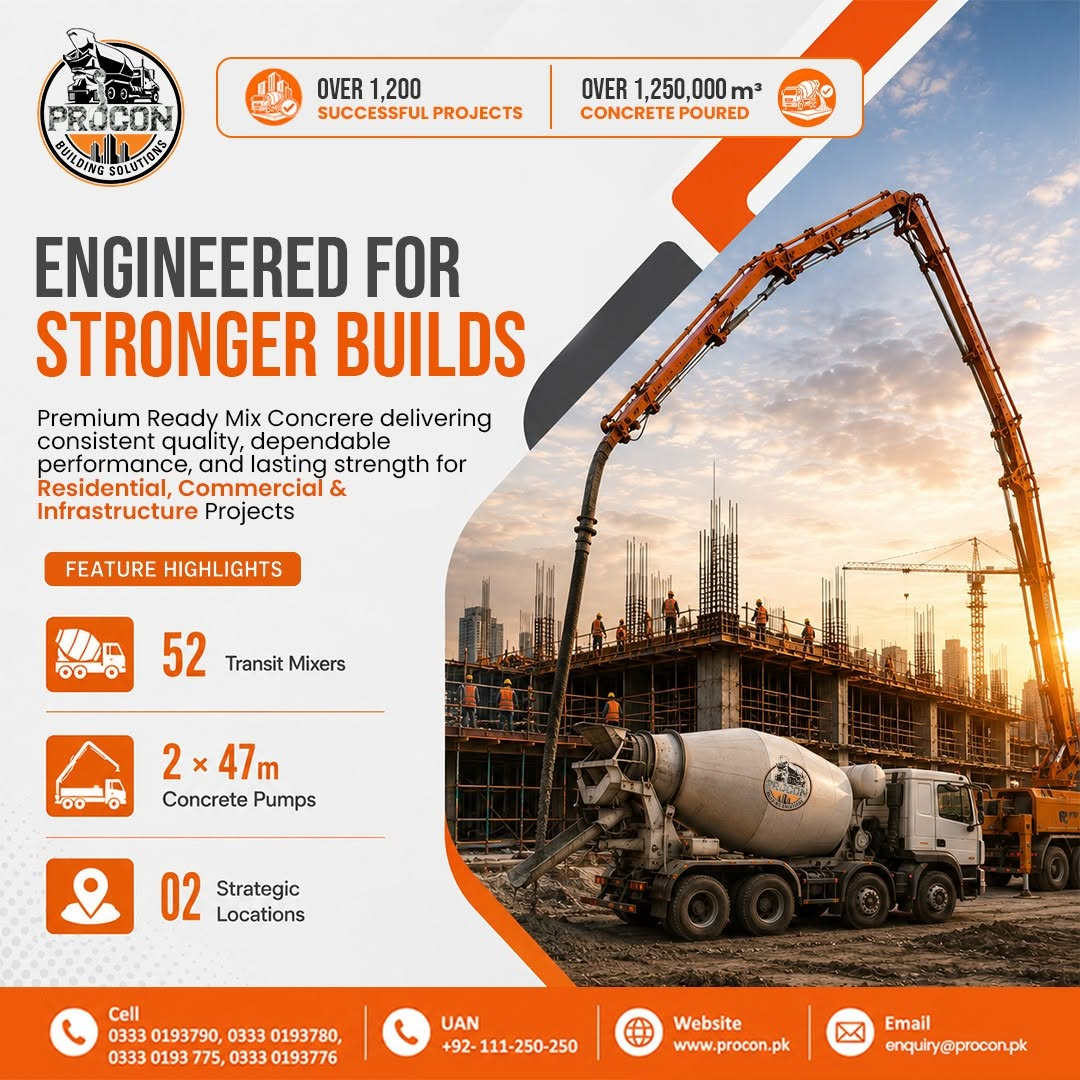
In the realm of structural engineering and high-performance construction, concrete is rarely viewed as a simple mixture of sand, cement, and water. Instead, it is a sophisticated composite material where coarse and fine aggregates make up roughly 70 to 80 percent of its total volume. Because aggregates occupy the vast majority of the structural matrix, their physical properties—particularly their size distribution and grading—play a decisive role in determining the strength, density, and durability of the finished build. Poor aggregate grading can lead to excessive void spaces, high cement paste requirements, and severe structural vulnerabilities. For major developments requiring uncompromised material reliability and smooth operational execution, sourcing certified building solutions and utilizing high-efficiency equipment like a concrete pump Karachi ensures optimal performance from batching plant to formwork.
The Mechanics of Aggregate Interlocking and Void Reduction
Aggregate grading refers to the proportional distribution of different particle sizes within a mix, designed to achieve maximum compactness and structural integrity:
- Minimizing Air Voids and Porosity: When coarse and fine aggregates are properly proportioned, smaller particles neatly fill the interstitial gaps between larger stones, creating a dense, solid mass that resists external moisture and chemical penetration.
- Optimizing Cement Paste Economy: A well-graded aggregate skeleton requires less cement paste to coat individual particles and bind the mixture together, significantly reducing drying shrinkage, thermal cracking, and material costs.
- Enhancing Compressive Strength: Dense packing directly translates to higher load-bearing capacity, allowing structural columns and foundation slabs to withstand immense compressive forces without micro-fracturing.
Preventing Pumping Blockages and Aggregate Segregation
Beyond influencing structural strength, aggregate grading directly dictates how smoothly fresh concrete behaves when transported through mechanical distribution systems:
- Preventing Mid-Pour Line Jams: If a mix contains an excess of oversized stones or lacks adequate fine sand fractions, coarse aggregates will interlock under hydraulic pressure, creating an immediate and costly pipeline blockage.
- Reducing Internal Friction and Equipment Wear: Smoothly graded particle distributions allow mixtures to glide effortlessly through steel pipes and rubber hoses, reducing wear and tear on pumps and heavy machinery.
- Ensuring Homogeneous Placement: Proper grading prevents aggregate segregation—the tendency of heavy stones to separate from the cement mortar—guaranteeing uniform density across complex, densely reinforced structural elements.
Maintaining Quality Control and Engineering Compliance
Achieving precise aggregate grading requires rigorous testing, meticulous batching plant controls, and close collaboration between suppliers and structural engineers:
- Executing Sieve Analysis Protocols: Technicians must conduct regular sieve tests on raw aggregate stockpiles to verify that particle size distributions comply strictly with international engineering standards.
- Adjusting Proportions for Environmental Factors: Fine-tuning aggregate blends based on local quarry variations ensures consistent workability and slump retention across varying weather conditions.
- Partnering with Certified Supply Specialists: Collaborating with established industry providers guarantees that every batch is engineered with rigorously tested aggregates, providing total confidence for high-stakes construction projects.
Conclusion
Aggregate grading is a fundamental pillar of concrete mix design that directly influences compressive strength, durability, and pumping efficiency. By optimizing particle size distribution, minimizing internal void spaces, and preventing pipeline blockages, construction teams can safeguard both structural integrity and operational fluidity. Thoughtful material science lays the groundwork for safe, enduring infrastructure. To explore dependable building solutions and professional support tailored to your project requirements, visit concrete pump Karachi today.
Survey No. 423, Ibrahim Hydri, behind Bol head quarter, Korangi creek road, Karachi-74900
+92 21 111 250 250