We are in an era of unprecedented freedom—or perhaps one of new forms of control and exclusion.
We are in an era of unprecedented freedom—or perhaps one of new forms of control and exclusion.
Souce
If we were to reach a future where buying, selling, or even receiving money required having a chip implanted in one’s own body, some might see this as reminiscent of an ancient biblical prophecy—the so-called "mark of the beast"—which speaks of an inability to buy or sell without a specific mark. In reality, however, this technology has existed for quite some time; in various parts of the world, people are already making payments by simply holding their hand near a card terminal, thanks to small chips implanted beneath their skin.

Souce
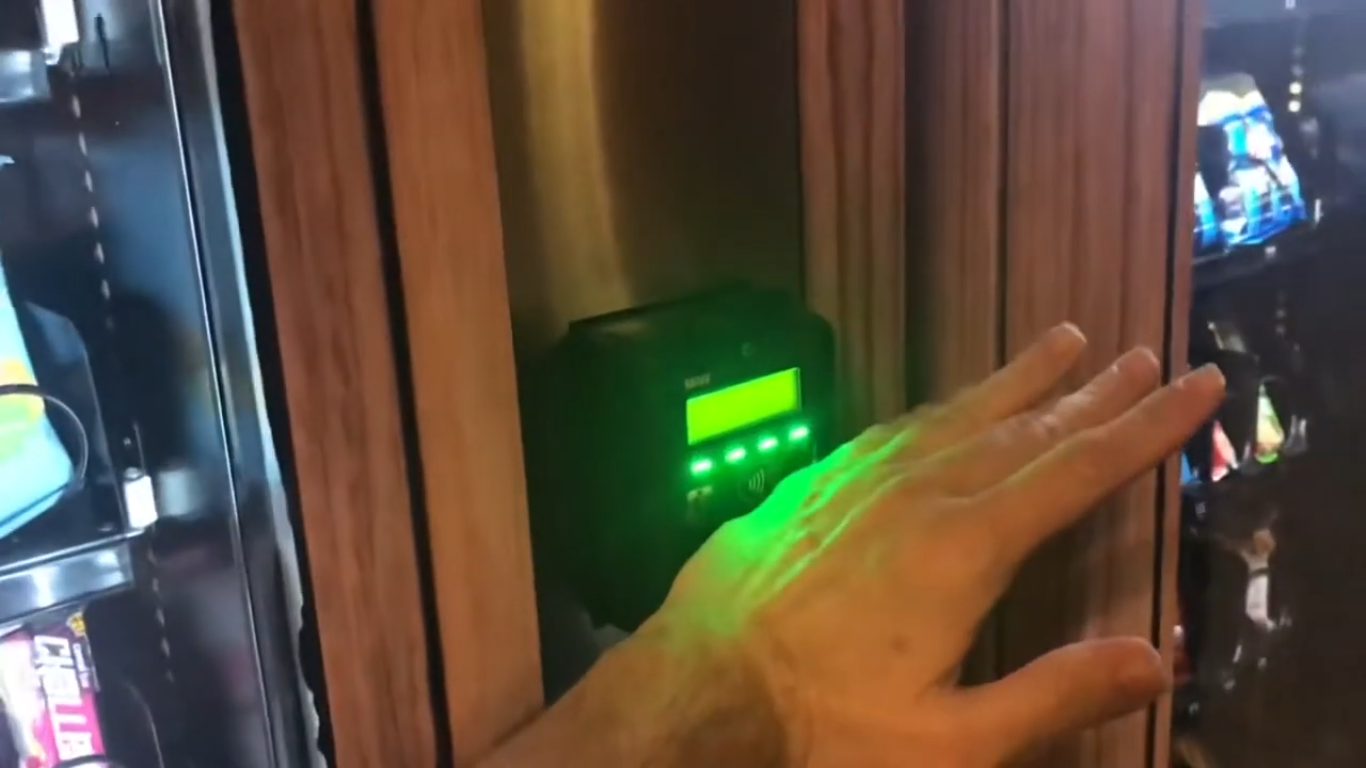
This is precisely what the Dutchman Patrick Paumen demonstrated by using a microchip implanted under the skin of his hand. Patrick Paumen received his payment implant in 2019 and began using it at establishments that accept contactless transactions. The technology functions in a similar way to modern bank cards; it works as follows: inside the small device is an electronic circuit connected to an antenna. When the hand is brought near a compatible terminal, the electromagnetic field produced by the machine provides enough energy to activate the chip and enable communication. This system is known as NFC—an acronym for "near-field communication."
The user needs to set up a compatible financial account, link their device, and have the implant procedure performed by an authorized professional. Looking toward China, we find an even more intriguing solution: Tencent has developed a system called "Weixin Palm Pay" that enables payments using the palm of one's hand. The service utilizes biometric features—including palm patterns and blood vessel structures—to identify the user and authorize transactions.
Souce
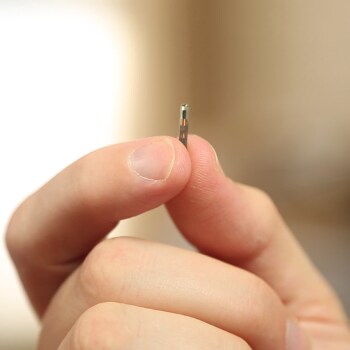
In 2017, the company Three Square Market offered its employees the option to receive microchips to open doors, access computers, and make purchases within their workplace. Participation was voluntary, and the system relied on proprietary readers. Meanwhile, Amazon developed Amazon One—a palm-based identification technology that does not require implants. These are different solutions aimed at the same goal: reducing the need to carry physical objects to verify one’s identity or perform certain transactions.
Souce Souce Souce Souce