We are in an era of unprecedented freedom—or perhaps one of new forms of control and exclusion.
in Popular STEM • 9 days ago

We are in an era of unprecedented freedom—or perhaps one of new forms of control and exclusion.


Souce


If we were to reach a future where buying, selling, or even receiving money required having a chip implanted in one’s own body, some might see this as reminiscent of an ancient biblical prophecy—the so-called "mark of the beast"—which speaks of an inability to buy or sell without a specific mark. In reality, however, this technology has existed for quite some time; in various parts of the world, people are already making payments by simply holding their hand near a card terminal, thanks to small chips implanted beneath their skin.


As artificial intelligence increasingly permeates human activity, the debate surrounding universal basic income—a system that could provide regular payments to the population—is also gaining traction. But could a time come when receiving such an income, accessing banking services, or even obtaining medical care at a hospital depends on having one of these chips integrated into one’s body? And there is more: companies like Neuralink are already connecting the human brain to computers, enabling people to control devices—and even interact with the world—using only their thoughts.


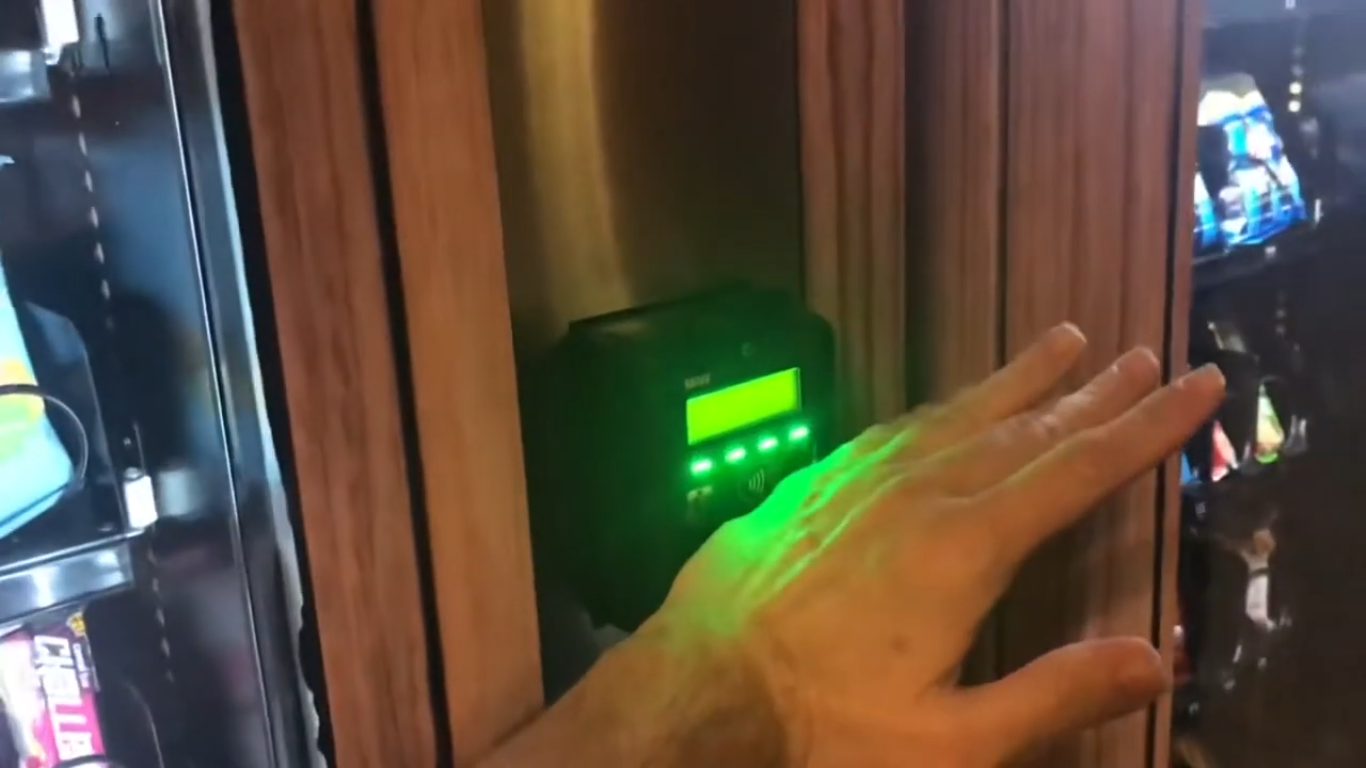
We stand on the threshold of an imminent revolution—one that could expand human freedom, or, if left unchecked, lead to new forms of control and exclusion. Consider this scenario: a man walks into a café, places an order, and when it comes time to pay, he doesn’t reach for a wallet or pull a phone from his pocket; he simply holds his hand near a card terminal, and within seconds, the transaction is complete.


Souce


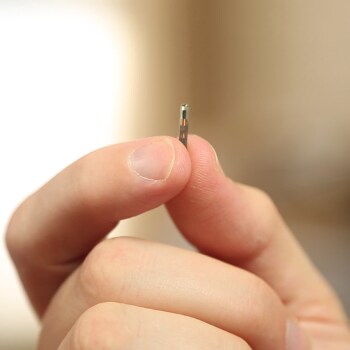
This is precisely what the Dutchman Patrick Paumen demonstrated by using a microchip implanted under the skin of his hand. Patrick Paumen received his payment implant in 2019 and began using it at establishments that accept contactless transactions. The technology functions in a similar way to modern bank cards; it works as follows: inside the small device is an electronic circuit connected to an antenna. When the hand is brought near a compatible terminal, the electromagnetic field produced by the machine provides enough energy to activate the chip and enable communication. This system is known as NFC—an acronym for "near-field communication."


The implant does not require a battery; it remains passive until it is brought close to a suitable reader. This means that a device like this does not function as a GPS and does not continuously transmit its location—at least, that is how this particular version works. One of the companies that markets this technology is WalletMore, which developed a payment implant encapsulated in a biocompatible material.


The user needs to set up a compatible financial account, link their device, and have the implant procedure performed by an authorized professional. Looking toward China, we find an even more intriguing solution: Tencent has developed a system called "Weixin Palm Pay" that enables payments using the palm of one's hand. The service utilizes biometric features—including palm patterns and blood vessel structures—to identify the user and authorize transactions.

In 2023, this technology began to be used on a Beijing subway line, and the company subsequently expanded its application to other establishments and services. However, there is a fundamental difference: in this Chinese system, no chip is implanted. Instead, the individual registers their biometric data and holds their hand near a specialized reader; in other words, the body serves as a form of identification, but no electronic component is inserted into it. Similar initiatives have also emerged in the United States.


Souce

In 2017, the company Three Square Market offered its employees the option to receive microchips to open doors, access computers, and make purchases within their workplace. Participation was voluntary, and the system relied on proprietary readers. Meanwhile, Amazon developed Amazon One—a palm-based identification technology that does not require implants. These are different solutions aimed at the same goal: reducing the need to carry physical objects to verify one’s identity or perform certain transactions.


In Brazil, the Central Bank now offers "Pix by proximity," which utilizes NFC technology on smartphones and other compatible devices. Furthermore, Chinese palm-recognition technology has begun to gain approval in the country; reports from 2026 indicate the commercial expansion of this solution, with negotiations underway for its use in the Brazilian retail sector. However, it is important not to conflate these initiatives with the adoption of implanted chips. To date, there is no evidence that Brazilian banks are implanting payment microchips into their customers as part of any widely available financial service.


That said, there are numerous accounts of individuals choosing to have chips implanted—both in Brazil and elsewhere in the world. When we examine the progression—from cash to cards, and more recently to smartphones, smartwatches, and smart rings—we see the emergence of alternatives where the human body itself, or implanted devices, can perform some of these functions. This raises a question that goes well beyond mere convenience: if technology allows our own hands—or implants—to replace physical payment methods, what will happen as banks, companies, and institutions become increasingly reliant on digital identification systems?


Souce Souce Souce Souce