What Makes a Beauty Service Truly Mobile?
Explore what mobile beauty requires beyond travel, from professional preparation and portable setups to serving clients wherever they are.
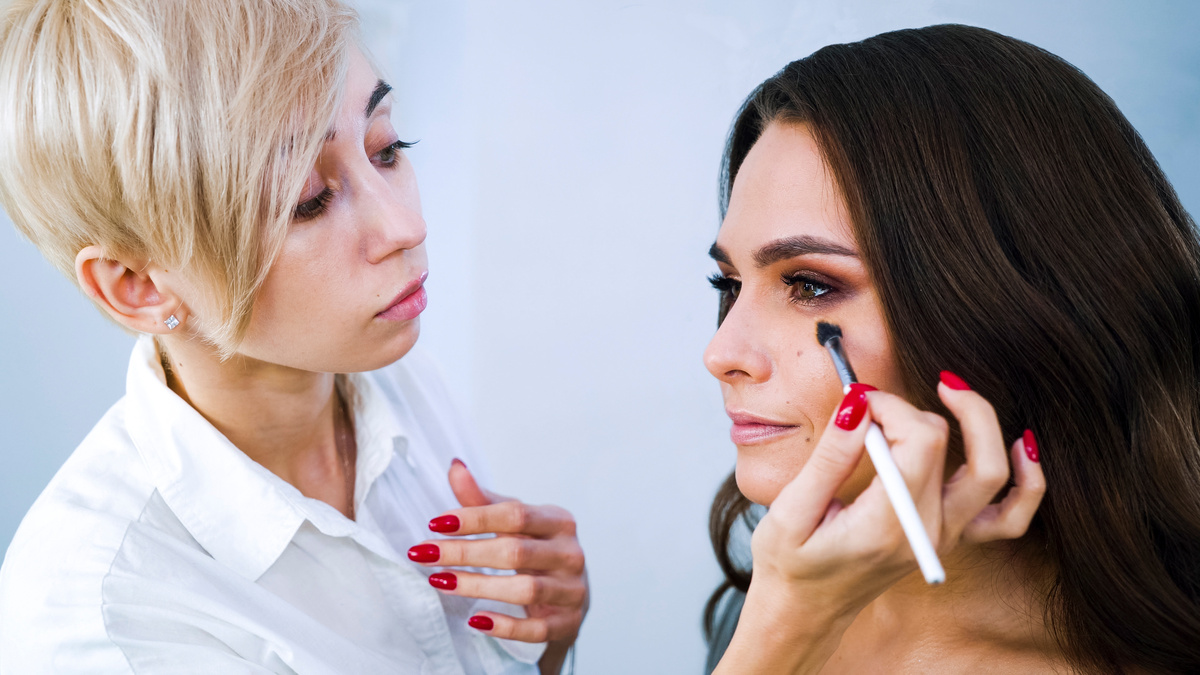
A mobile beauty service is more than a professional traveling from one address to another. The real difference is in how the service is planned, prepared, and delivered outside a traditional salon, studio, or spa. For the client, the experience can feel simple: choose a service, select a suitable location and time, and have a professional come to them. Behind that convenience, however, there is quite a bit of coordination.
Mobility Starts With the Professional
Working on location requires a different approach from working in a permanent space. Beauty professionals need to think about what they need to bring, how much space a service requires, and how to create an appropriate working setup in an unfamiliar environment.
Depending on the service, this can involve:
Portable tools and professional products
Lighting, seating, or other equipment
Sanitation supplies and disposable materials
Adapting the setup to different rooms and surfaces
Planning enough time for transportation and preparation
A professional who normally works in a salon has many resources already available around them. A mobile professional has to decide what needs to travel with them and how to work efficiently once they arrive.
The Location Becomes Part of the Service
With mobile beauty, the appointment does not have one standard setting. A client might book a service at home before a busy day, in a hotel before an event, or at another suitable location where they have enough privacy and space.
This is one area where MOBILESTYLES takes a different approach to traditional beauty booking. The platform connects clients with licensed beauty and wellness professionals who can provide services where the client needs them, including homes, workplaces, hotels, and event locations.
That flexibility changes some of the practical questions surrounding an appointment. Instead of asking only, “What service do I want?” the client may also consider where they will be, what their schedule looks like, and what type of setup will work best.
What Makes a Mobile Appointment Work?
The convenience of an on-location service depends on several details being handled before the professional arrives.
The service needs to be clearly defined. Clients should know what is included and whether there are any specific preparation requirements.
The location needs to be suitable. Some services require more room, access to water or electricity, or a comfortable area for the professional to work.
Timing needs to account for setup. The appointment is not always as simple as arriving and immediately starting the service.
Communication matters. Details about the location, parking, access, preferences, and other practical considerations can prevent unnecessary delays.
These details may seem small, but they are part of what separates a genuinely workable mobile service from simply moving a traditional appointment to another address.
Mobile Does Not Mean Less Professional
There is sometimes an assumption that a service delivered outside a salon or spa must be more casual. In reality, the location does not determine the professional standard.
A licensed stylist, makeup artist, nail professional, esthetician, massage therapist, or other beauty and wellness provider can bring their professional skills and established practices into a different environment. The difference is mainly in how the service is delivered.
For clients, that can remove one of the less useful parts of a traditional appointment: traveling to a specific location, waiting around before or after the service, and building additional travel time into an already full schedule.
Why the Mobile Model Keeps Expanding
The appeal of mobile beauty is not simply that professionals are willing to travel. It reflects a broader change in how people organize services around their lives.
Work schedules change. People travel. Events take place in hotels and private venues. Some clients simply prefer receiving certain services in a familiar environment rather than traveling across town.
MOBILESTYLES fits into this model by making the location of the client part of the booking experience rather than treating it as an obstacle. The result is a different way to think about professional beauty: the service does not necessarily have to begin when the client walks through a salon door. It can begin wherever the appointment makes sense.