Creating a Practical Foundation for Beautiful Interior Spaces
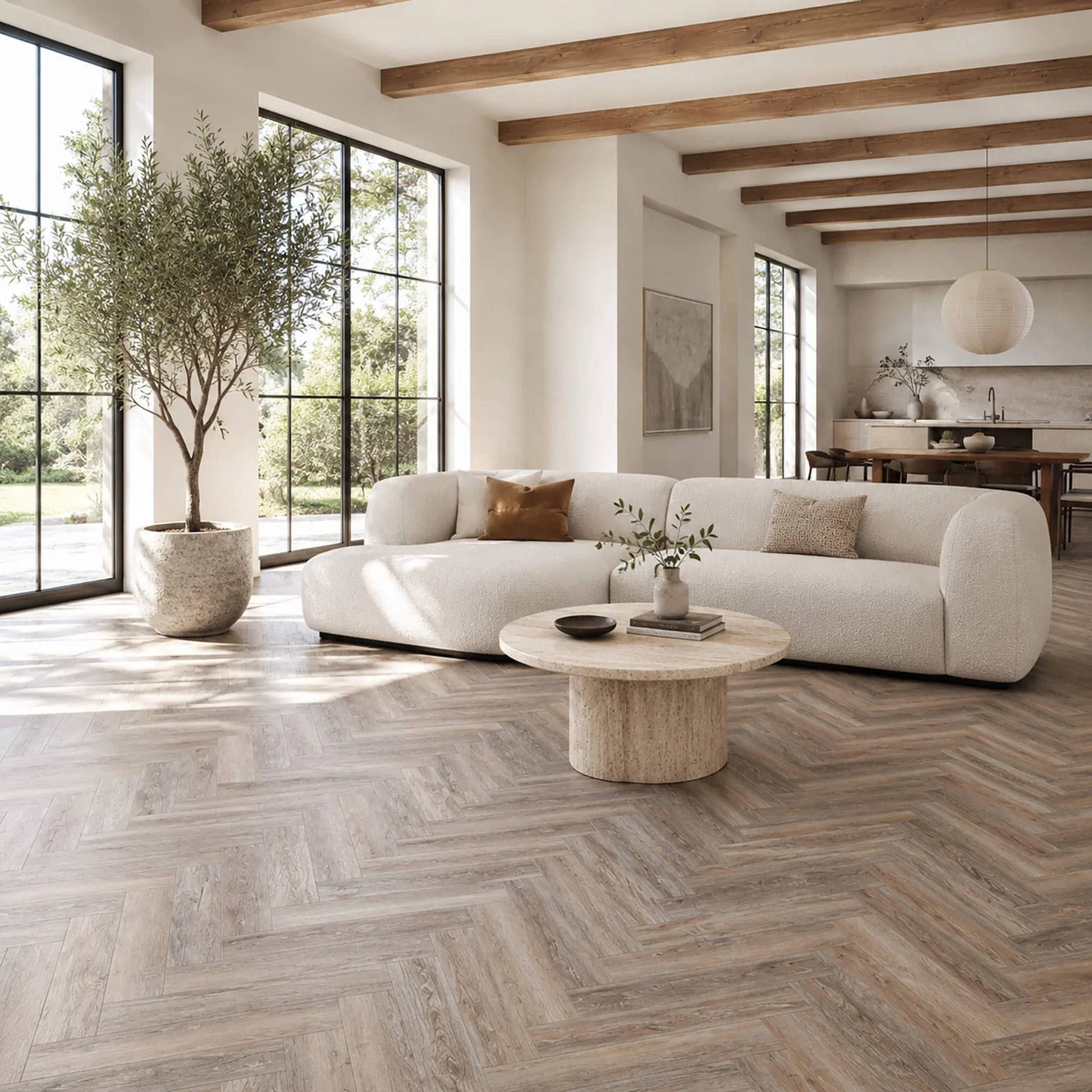
An attractive interior begins with choices that support both appearance and everyday use. Furniture, lighting, colours, and decorative details all contribute to a room's character, but the underlying surfaces are equally important. Flooring, in particular, influences how the space looks, how it is maintained, and how comfortably it can be used.
Homeowners who plan these foundational elements carefully can create rooms that remain practical without sacrificing style. The key is to consider the property's needs before making decisions based purely on appearance.
Understand the Needs of the Space
Every room has different requirements. A bedroom may benefit from a soft, comfortable surface, while a kitchen often needs flooring that suits frequent cleaning.
Consider the number of people using the room, the amount of foot traffic, and the types of activities that take place there. Furniture movement, pets, and regular spills may also influence the choice of materials.
The room's existing features should be assessed before renovation begins. Doorways, floor heights, built-in cabinets, and the condition of the subfloor can all affect the installation process.
Understanding these details provides a practical starting point for the project.
Choose Flooring That Supports the Design
Flooring helps establish the overall style of a room. A natural-looking finish may suit a traditional interior, while a simple contemporary surface can complement modern furniture and clean architectural lines.
There are many options available, including carpet, hardwood, laminate, tiles, and luxury vinyl products. Each has different characteristics, so the choice should reflect the room's intended use and maintenance requirements.
When researching LVT Flooring, compare the available finishes, product specifications, installation requirements, and recommended applications. Some designs resemble natural wood or stone, allowing homeowners to create a particular appearance while considering practical needs.
Always check the manufacturer's instructions before deciding whether a product is suitable for the intended location.
Prepare the Subfloor Properly
The finished floor depends partly on the condition of the surface underneath it. Uneven areas, loose boards, cracks, or moisture concerns may need attention before installation.
Preparation requirements vary between materials. Some products require a particularly smooth and stable surface, while others may have different installation conditions.
Ask the installer to inspect the subfloor and explain any necessary work. Confirm whether repairs, levelling, and removal of the old flooring are included in the quotation.
Proper preparation can help prevent avoidable installation problems and support a more consistent finished appearance.
Coordinate Colours and Textures
A well-designed room uses colours and textures that complement one another. Flooring often provides the foundation for decisions about wall paint, furniture, curtains, and decorative accessories.
Neutral shades can offer flexibility when interior styles change. More distinctive patterns or colours can also work well when they suit the room's proportions and surrounding features.
Consider the natural light available in the space. A darker floor may create contrast in a bright room, while a lighter finish can help some smaller areas appear more open.
View samples in the actual room before purchasing materials. This makes it easier to assess how different finishes work together.
Balance Appearance With Maintenance
A beautiful surface should also fit the household's cleaning routine. Some materials need regular vacuuming, while others require sweeping and suitable cleaning products.
Review the manufacturer's care instructions before making a final choice. Certain surfaces may be sensitive to abrasive cleaners, excess moisture, or unsuitable chemicals.
Protective mats near entrances and furniture pads beneath chair legs may help reduce everyday dirt and wear when appropriate for the selected flooring.
Choosing materials that suit the household's maintenance habits can help preserve the appearance of the room.
Plan Furniture and Lighting Around the Floor
Flooring should work with the room's furniture and lighting rather than being considered in isolation. Large furniture pieces can affect how much of the surface remains visible, while lighting can change the appearance of its colour and texture.
Measure the room before purchasing furniture and maintain clear walking routes. Consider whether doors will open freely once the new floor is installed.
Lighting can then be selected to support the room's purpose. Task lighting may be important in work areas, while softer lamps can help create a relaxing atmosphere in living spaces.
Manage the Budget and Installation
A flooring budget should include more than the price of the material. Labour, preparation, underlay where required, finishing components, and waste removal may all contribute to the final cost.
Request a clear quotation and confirm the work included. Discuss the expected schedule and make arrangements for furniture removal before installation begins.
If several rooms are being updated, plan the sequence carefully to reduce disruption and avoid damaging completed work.
Build a Lasting Interior Foundation
Creating a practical foundation for a beautiful home requires a balance of suitable materials, careful preparation, coordinated design, and realistic budgeting.
By considering the purpose of each room and selecting flooring that meets its needs, homeowners can create interiors that are attractive, comfortable, and manageable. Thoughtful decisions at the beginning can make future decorating and maintenance much easier.