"Basic Knowledge in Agriculture 104
In the name of Allah the most beneficial the most merciful.
Hello friends 💕 this is @fatima9. How are you all? Hopefully you are all fine and good by the grace of Allah. I am also fine by the grace of Allah.
Welcome to another episode of Basic Knowledge In Agriculture contest 104.I hope you like my effort today.
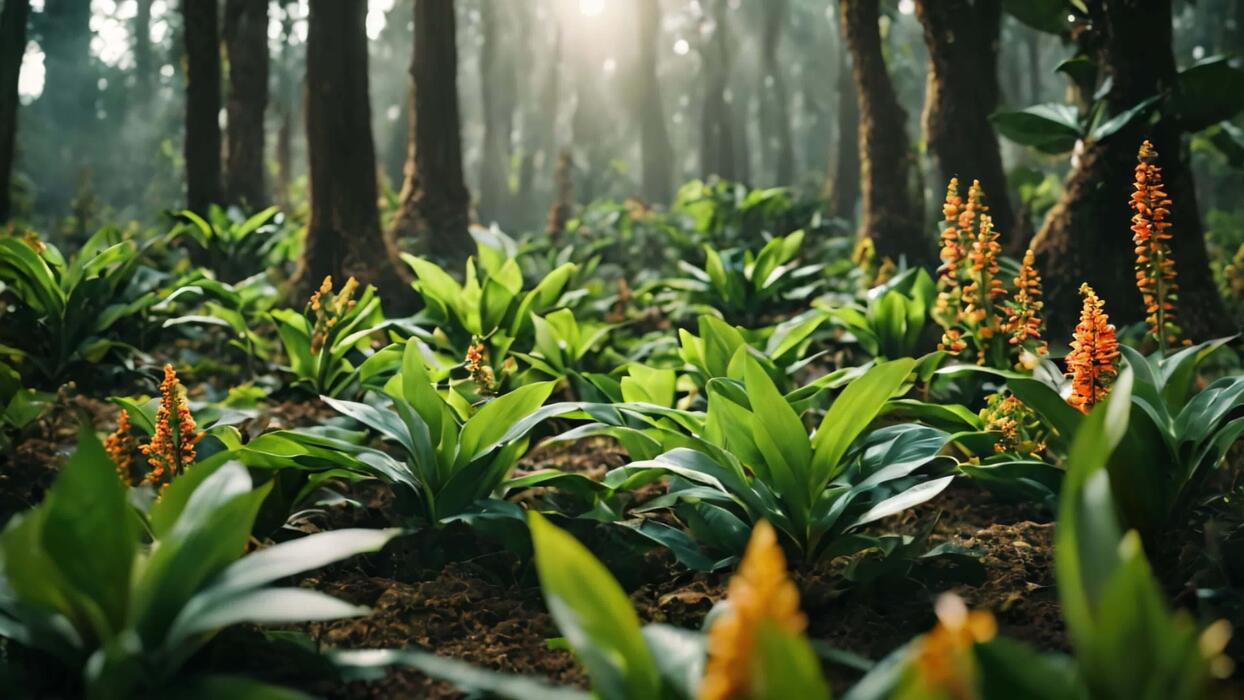
Disease Surveillance .
First of all understand;
What is disease Surveillance?
In simple words;
" It is a system of continuous monitoring, timely notification and control of diseases"
Detailed explanation:
Disease Surveillance:
is a scientific and systematic system through which the spread of diseases, their causes, symptoms and effects are continuously monitored in a specific population, area, crops or animals.
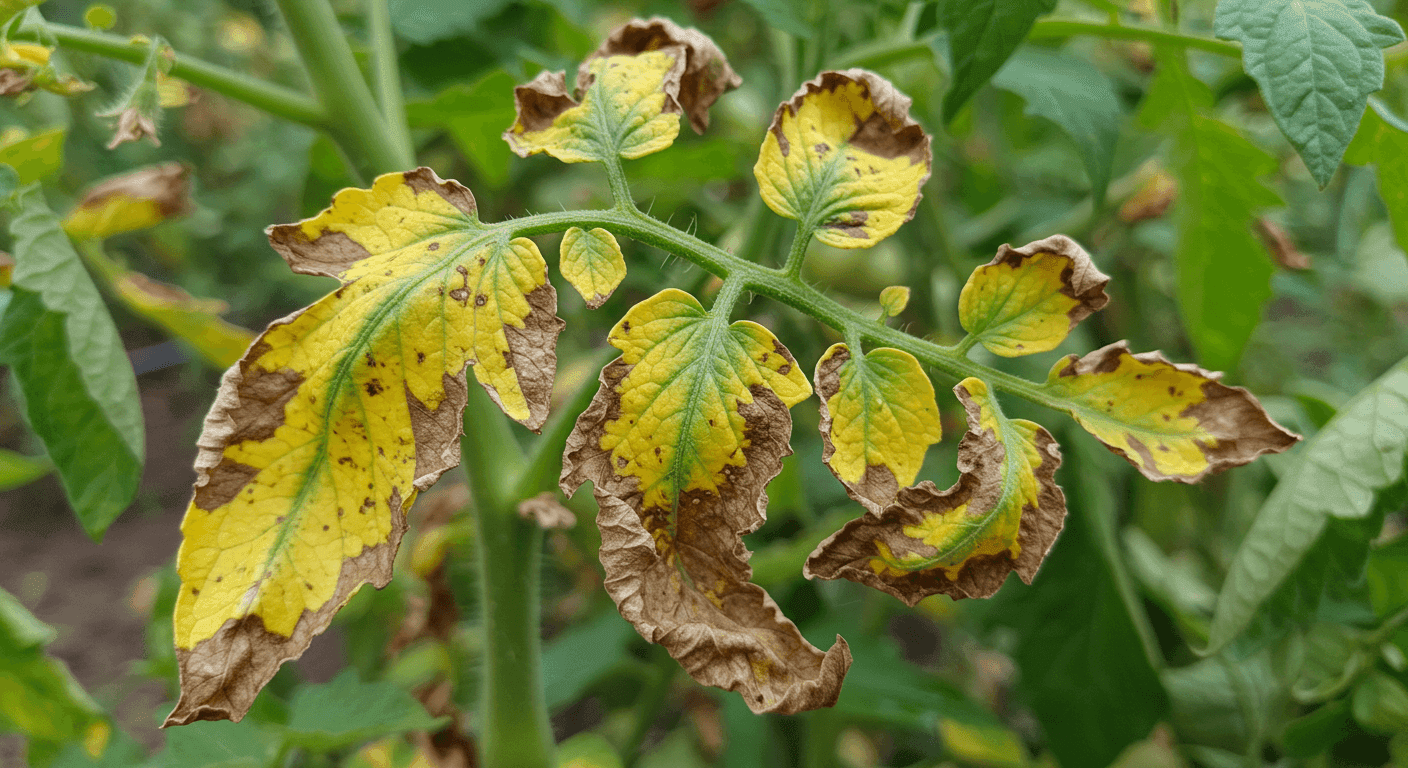
It is not just about looking at the disease, but it has 4 important stages:
1. Data Collection:
Taking disease samples and information from the fields, animals, and laboratory.
2. Data Analysis:
Seeing where the disease is more prevalent, in which season it is spreading, on which crop.
3. Interpretation:
Coming to a conclusion about why the disease is spreading.
4. Timely Action:
Alerting farmers, government and institutions and telling them the solution.
There are two main types of it:
Active Surveillance:
Experts go and inspect the fields themselves.
Passive Surveillance:
Farmers or doctors report the disease themselves.
Importance of Disease Surveillance in Agriculture
This system is the backbone of agriculture. Its importance is as follows:
1. Prevention of crop destruction:
In Pakistan, diseases like wheat rust, cotton leaf curl virus, and rice blight destroy millions of acres of crops. The surveillance system detects the disease as soon as it starts and stops it before it spreads throughout the area.
2. Early Warning System:
If a virus occurs in tomatoes in one district, the surveillance system immediately warns farmers in other districts to spray preventively. This saves a lot of loss.
3. Increase in production and food security:
When the disease is under control, the production per acre will increase. This will not lead to food shortage in the country. Only a healthy crop can produce more grain.
4. Less use of pesticides:
If we know where and how much the disease is, instead of spraying poison on the entire field, we will only spray it on the affected area. This will also reduce the cost and the land, water and human health will also be protected from toxic effects.
5. Identification of new diseases:
Due to climate change, new diseases are emerging every day. The surveillance system helps in early identification of these new diseases and research on them.
6. Livestock Surveillance:
Agriculture includes not only crops, but also animals. Monitoring diseases like foot and mouth disease (FMD), gill flu, bird flu can save millions of animals from dying, which are the capital of the farmer.
7. Help in policy making:
This data helps the government to know which seeds are needed in which area, which medicine should be given on subsidy and what training should be given to farmers.
In short:
Agriculture without Disease Surveillance is like shooting in the dark. With this system, the farmer knows in advance where the danger lies and how to avoid it. This system protects the farmer from loss, the country from food shortage, and the public from inflation.
Invite You 💕
Thanks For Reading My Post
Allah Hafiz