The AI that creates, programs, and trains future robots.
The AI that creates, programs, and trains future robots.
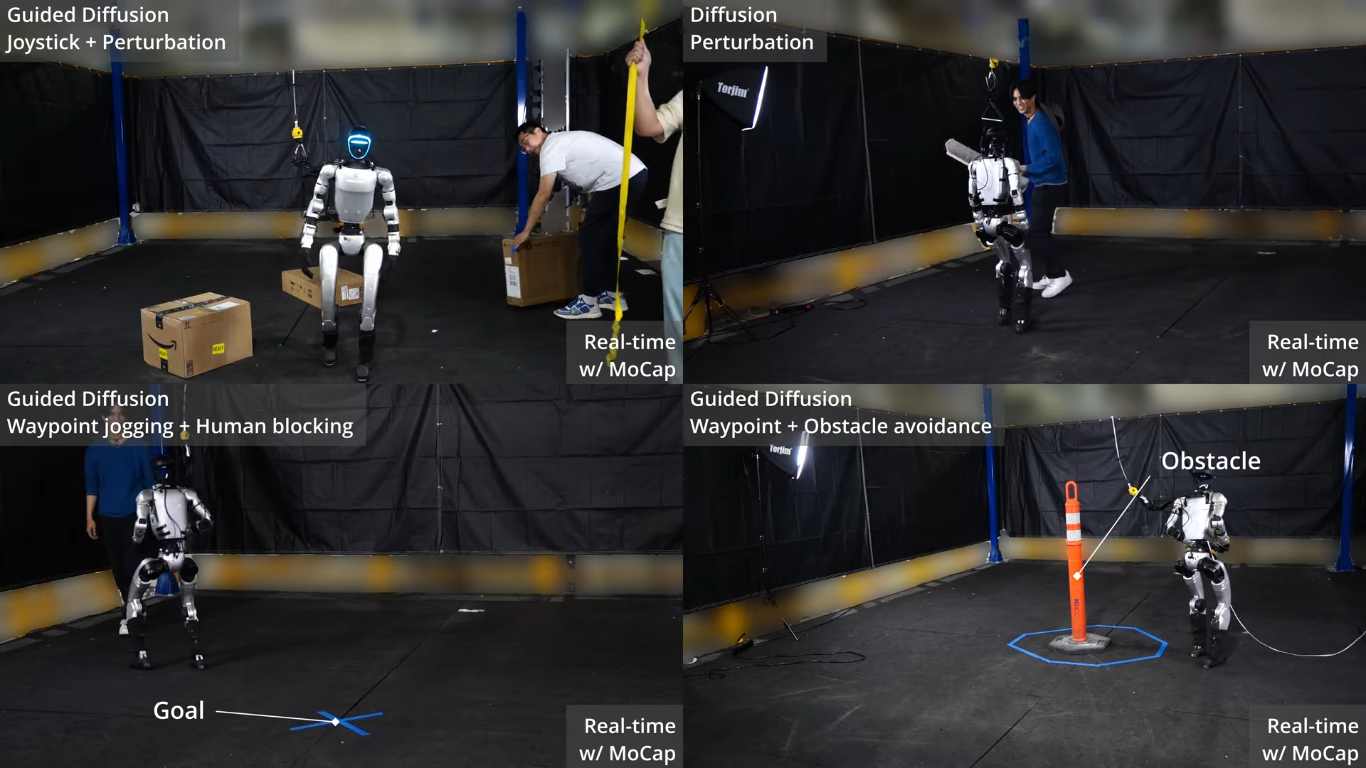

Until recently, teaching a humanoid robot to perform new movements required weeks of training and immense processing power. However, recent research has shown that certain types of training can now be completed in a matter of minutes—and, most interestingly, this acceleration is not limited solely to robot movement.
The results caught the attention of other developers; in just 17 days, various teams refined open-source versions of this technology. In a specific test involving movements of the Unitree H1 humanoid, the training time was reduced from approximately 1 hour and 19 minutes to less than 1 minute, using four graphics cards. Meanwhile, another shift is taking place in parallel: advanced artificial intelligence models—such as those developed by OpenAI, Google, and Anthropic—are being used to write programs, build virtual environments, and analyze errors made by robots.
In another development, Google DeepMind used artificial intelligence to analyze failed attempts by its robots and modify training strategies; meanwhile, Nvidia demonstrated how to combine an advanced language model with a system specialized in robotic movement. In an experiment involving the assembly of toys, this combination succeeded in 292 out of 300 attempts. The artificial intelligence model helped interpret the situation and guide actions, while the robotic system executed the movements.
