Heating Repair: Dependable Fixes for a Cold, Unresponsive Home
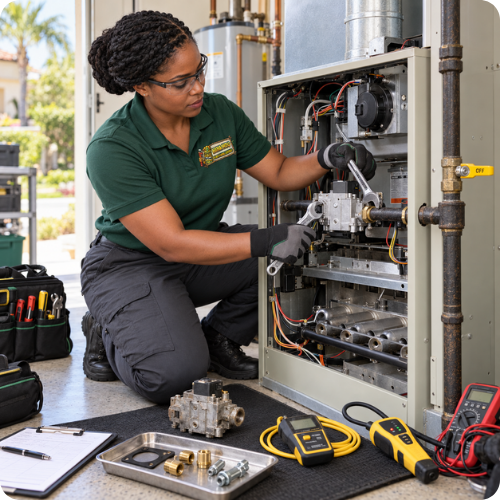
A chilly living room at dawn tells you something is wrong long before a thermostat display does. Skilled Heating Repair services focus on finding the exact cause of the failure, correcting it safely, and returning steady warmth to every room. The guidance below reflects field experience, equipment manufacturer recommendations, and accepted safety codes, giving you information you can act on with confidence.
How Furnaces and Boilers Actually Fail
Every warming appliance depends on a chain of events: a call from the thermostat, fuel or electricity delivery, ignition, heat transfer, and distribution. A break at any link stops the sequence. Understanding this chain helps you describe symptoms accurately, which speeds diagnosis considerably.
Gas furnaces most often stumble at ignition or airflow. Boilers tend to struggle with water pressure, circulator pumps, or trapped air. Electric units usually suffer from burned elements or failed relays. Heat pumps add refrigerant and reversing-valve concerns to the mix. Each design has its own personality, and experienced professionals approach them differently.
Early Indicators Worth Taking Seriously
Residents who notice changes early often avoid emergencies. Pay attention to the following:
- Rooms that feel noticeably cooler than the rest of the house
- Air from vents that blows lukewarm or cold
- Grinding, whistling, or booming sounds during operation
- Higher heating bills without a change in habits
- Dust or soot accumulating near registers
- A thermostat display that flickers or goes blank
Experts treat soot, headaches, or nausea as urgent. These can indicate carbon monoxide exposure. Leave the building, call emergency services, and let responders clear the property before anyone returns.
Inside a Professional Service Visit
Competence shows in process. A capable technician arrives with proper identification, shoe covers, and a clear explanation of the steps ahead. The inspection begins with your observations, since you know how the system behaved before it stopped.
Measurement follows observation. Instruments check supply voltage, combustion efficiency, static pressure, and temperature differential across the unit. These numbers reveal causes that cannot be seen by eye alone. After testing, the technician outlines the finding, offers a priced solution, and waits for your approval before opening a toolbox for any paid work.
Typical Problems and Practical Solutions
No heat at all. Tripped breakers, blown fuses, and closed gas valves lead the list. Verification takes minutes and sometimes resolves the issue instantly.
Short cycling. Overheating caused by restricted airflow shuts the burner down repeatedly. Cleaning coils, replacing filters, and correcting duct restrictions usually cure it.
Noisy operation. Loose panels, worn bearings, and delayed ignition produce distinctive sounds. Lubrication, tightening, or part swaps quiet the unit.
Weak output. Failing blower motors, leaky ducts, or undersized equipment reduce delivery. Sealing and balancing often restore performance without major expense.
Water leaks around boilers. Corroded fittings, faulty relief valves, or failing expansion tanks require prompt attention to prevent property damage.
Evaluating the Cost Against Value
Price transparency separates reputable firms from opportunistic ones. Request an itemized quote covering parts, labor, and any diagnostic fee. Ask whether that fee is credited toward approved work. Compare at least two estimates for larger jobs, though the lowest figure is not always the best choice if it omits warranty coverage or uses inferior components.
When equipment nears the end of its service life, weigh ongoing expenditure against a newer unit. Modern systems deliver higher efficiency ratings, quieter operation, and qualification for utility incentives. Your technician should present both paths honestly and respect whichever one you choose.
Habits That Keep Warmth Reliable
Consistent upkeep prevents most winter emergencies. Book a professional inspection each autumn, replace filters on schedule, and clear vents of furniture or drapes. Bleed radiators if you have a hydronic setup, and watch pressure gauges monthly. Keep exterior vents and intake pipes free from snow, leaves, and nests.
Programmable controls reduce wear by avoiding unnecessary runtime. Weatherstripping around doors and windows lowers demand even further, letting existing equipment last longer.
Protecting Your Household Through Smart Safety Practices
Fuel-burning equipment carries real hazards, so boundaries matter. Handle only simple chores yourself, such as changing a filter or checking a thermostat battery. Leave gas connections, flue adjustments, electrical panels, and sealed components to licensed specialists.
Working carbon monoxide alarms are nonnegotiable. Place them near sleeping areas, test them regularly, and replace units according to the manufacturer's expiration date. Smoke detectors deserve the same discipline.
Selecting a Trustworthy Local Specialist
Verification beats persuasion. Confirm licensing with state authorities, check insurance certificates, and read feedback on multiple independent sites. Notice how a company responds to criticism; thoughtful replies reveal genuine accountability. Longevity in your community, written guarantees, and round-the-clock availability all point toward reliability.
Ask about technician training and certifications, such as those from recognized trade organizations. Specialists who invest in education tend to diagnose faster and err less often.
Final Thoughts on Restoring Comfort
Warmth is a basic need, and a failing system deserves swift, competent attention. Observe symptoms early, insist on clear communication, and rely on credentialed professionals for anything involving fuel or high voltage. Choose expert heating repair today, and enjoy a home that stays comfortable through every cold snap, supported by honest advice and craftsmanship you can trust.