Why Central Banks Keep Buying Gold
Gold pays no interest and has no issuer, yet the world's central banks have been buying it at a pace not seen in decades. For years, reserve managers treated gold as a legacy holding from the Bretton Woods era. Today, it has returned to the center of their strategy, and buying shows little sign of fading.
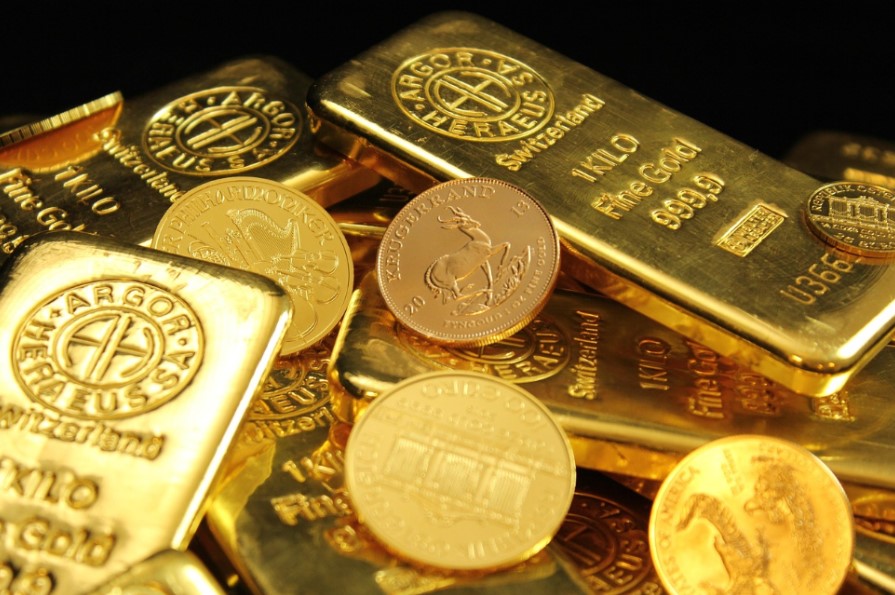
The numbers are striking. According to the World Gold Council, central banks added more than 1,000 tonnes of gold each year from 2022 to 2024, with a record 1,136 tonnes in 2022. In the third quarter of 2026 alone, official institutions added 321 tonnes, the highest quarterly total since late 2024.
Reserve managers are not chasing quick wins. Unlike players drawn to top casino games in hopes of a random lucky streak, central banks have deliberately been buying gold to protect national wealth over decades. Their reasons are practical, and most of them come down to risk.
Gold Is No One's Liability
Most reserve assets are promises. A US Treasury bond is a claim on the American government, and a euro deposit depends on the institutions behind the euro. Gold is different because it is not anyone's debt, so it cannot default or be devalued by another country's policy decisions.
Central banks say this directly. In the World Gold Council's 2025 Central Bank Gold Reserves Survey, which drew responses from a record 73 central banks, gold's lack of default risk and its liquidity during crises were among the main reasons for holding it.
The Sanctions Lesson of 2022
Buying accelerated after Russia invaded Ukraine in 2022 and Western governments froze a large share of the Russian central bank's foreign reserves. That move showed every reserve manager that assets held abroad in foreign currencies can become unusable overnight. Research from the European Central Bank found that five of the decade's ten largest increases in gold reserves happened when countries were facing sanctions.
The same concern shows up in where gold is stored. In the 2025 survey, 59% of central banks said they keep part of their gold at home, up from 41% a year earlier.
Diversifying Away From the Dollar
The US dollar still dominates global reserves, but many central banks want less exposure. In the 2025 survey, 73% of respondents expected the dollar's share of global reserves to fall moderately or significantly over the next five years. According to the ECB, gold made up about 20% of global official reserves at market prices by the end of 2024. It overtook the euro's 16% and trailed only the dollar's 46%.
Who Is Buying?
The National Bank of Poland has been the most aggressive buyer recently. It topped global purchases in 2024 and 2025 and added 102 tonnes last year, reaching about 550 tonnes, or roughly 28% of its official reserves. The bank has said it plans to raise its holdings to as much as 700 tonnes.
Other buyers have taken a steadier approach. The People's Bank of China, the Central Bank of Turkey, and the Czech National Bank all made regular smaller purchases through 2025.
Do High Prices Slow Them Down?
Central banks do pay attention to price. When gold climbed to record highs in 2025, the World Gold Council noted that higher prices prompted a more cautious approach, and annual purchases fell 21% from 2024.
That pause did not last long. By the end of September 2026, central banks had bought 675 tonnes for the year, up 6% from the same period in 2025. In the 2025 survey, 95% of respondents expected global central bank gold reserves to grow over the next 12 months, and none expected their own holdings to shrink.
What This Means for Investors
Steady official demand adds a large and patient buyer to the gold market. In the third quarter of 2026, for example, central bank purchases helped offset weaker jewelry and coin demand, which kept total demand close to the previous year. Still, the World Gold Council itself cautions that the link between central bank buying and gold prices is not stable enough to guarantee a firm price floor.
For central banks, the logic stays simple. Gold has stayed in official reserves through the gold standard, Bretton Woods, and the era of floating exchange rates. In a world of sanctions, shifting alliances, and rising government debt, they keep returning to an asset that no other country can print.