Canine Communication 101: Decoding Your Dog’s Behavior
Have you ever wished your dog could simply tell you what they want? The good news is, they already are—you just need to learn their language. While dogs can’t speak English, they constantly communicate through body language, vocalizations, and scent.
Mastering canine communication is the key to building a deeper, more trusting bond with your furry best friend.
- Read the Body Language
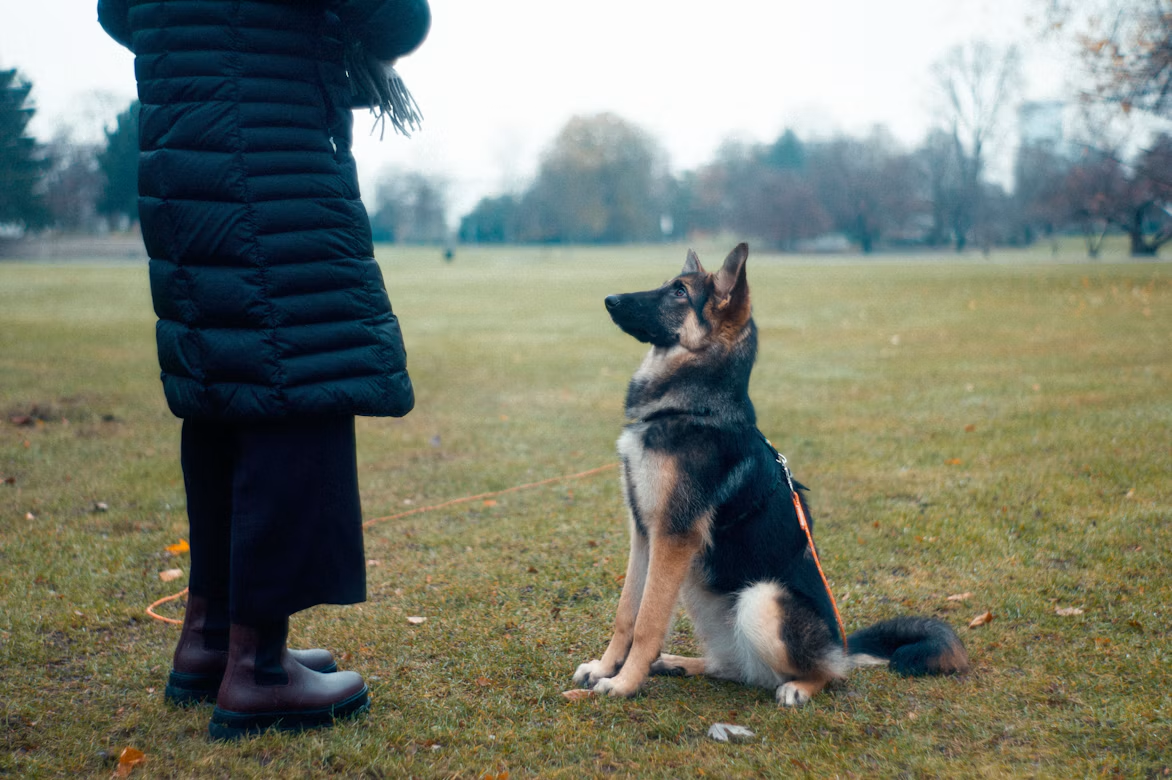
A dog’s entire body is a billboard of emotions.
The Tail: A wagging tail doesn’t always mean happiness. A loose, sweeping wag usually indicates a friendly pup, while a stiff, slow wag can signal tension or a warning.
Posture: A relaxed dog has a loose stance and soft eyes. If your dog freezes, lowers their body, or tucks their tail, they are likely feeling fearful or insecure.
Calming Signals: Watch for subtle cues like yawning, lip-licking, or turning their head away. These are your dog’s way of saying, "I'm stressed; I want peace."
- Listen to the Vocalizations
Barking, whining, and growling are obvious tools in a dog's vocal toolkit, but pitch and frequency matter. High-pitched yips often mean excitement or pain, while low-pitched growls are a clear boundary-setting mechanism. Never punish a growl—it’s a vital warning that prevents a bite.
- Respect Their Space
Misinterpreting dog behavior often leads to accidental stress. If your dog exhibits signs of anxiety, give them space. Learning to respect their boundaries fosters a secure environment where behavioral issues can be minimized.
Ultimately, understanding canine behavior requires patience and observation. By tuning into what your dog is trying to tell you, you’ll prevent misunderstandings and create a happier, more harmonious home for everyone.