Why Web3 Brands Struggle to Turn Initial Interest Into User Adoption
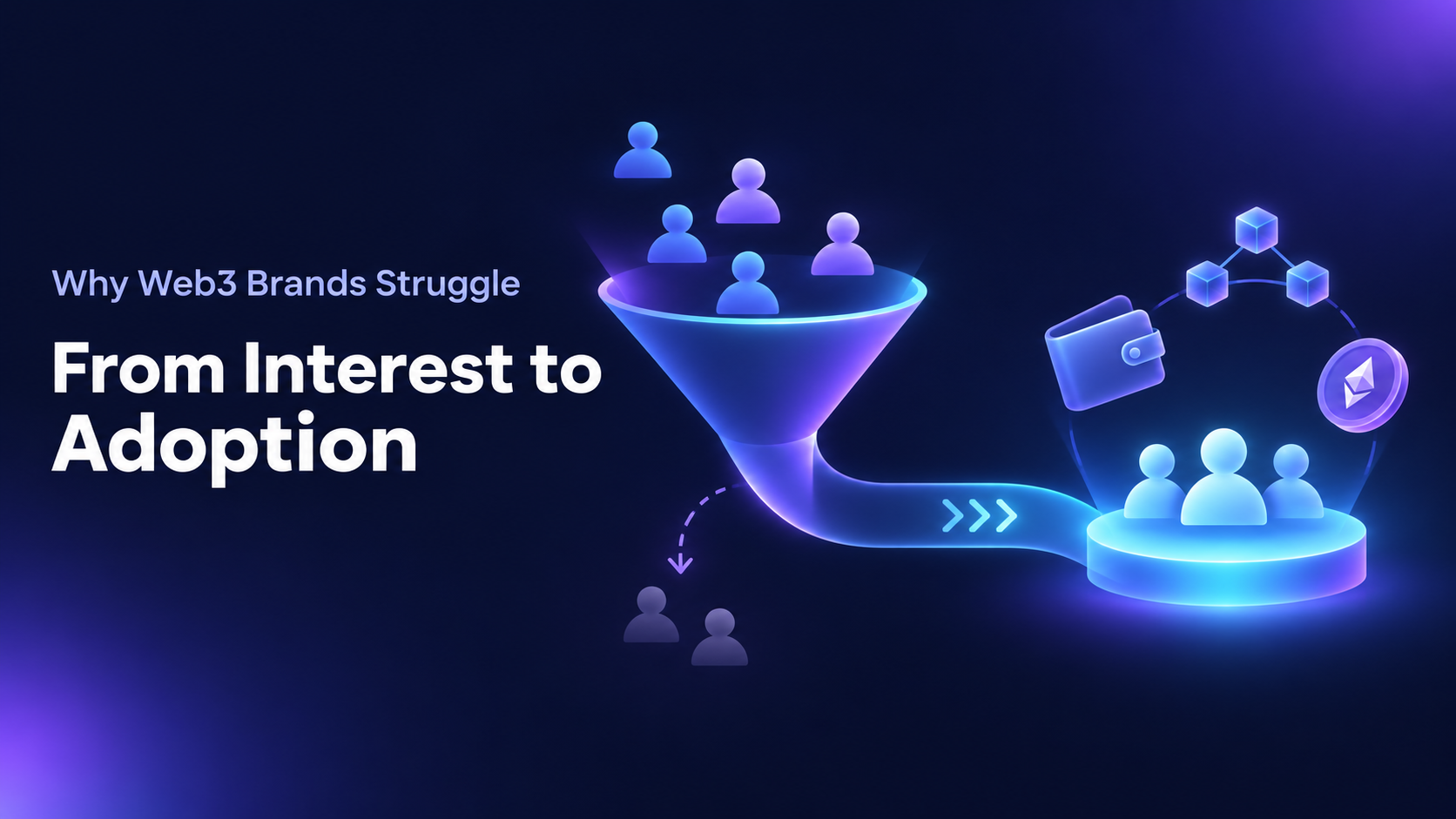
Attracting attention is an important part of building a Web3 business, but turning that attention into active users is a different challenge. A startup may receive strong social media engagement, website visits, and community interest without seeing the same level of product adoption. This gap often develops when marketing creates curiosity but fails to give potential users enough reasons to take the next step.
Web3 audiences also have specific concerns about security, product complexity, transparency, and long-term value. Brands must address these expectations throughout the customer journey. Understanding why interested audiences hesitate can help startups improve their marketing strategies and build stronger user relationships.
1. Unclear Product Value Makes Users Hesitate
One reason Web3 brands struggle with adoption is that potential users do not always understand what a product offers. Startups often focus on blockchain features, technical capabilities, and token-related benefits without explaining how these features solve actual problems.
For example, a decentralized finance platform may promote its smart contracts and liquidity features, but new users may simply want to understand how the platform helps them manage digital assets. When marketing messages focus too heavily on technical details, audiences can struggle to identify the product's practical value.
Brands should communicate their offerings through clear explanations, product demonstrations, and relatable use cases. When people understand what a platform does and why it matters, they have a stronger reason to explore it.
2. Trust Concerns Affect Adoption Decisions
Trust remains a major consideration when people evaluate unfamiliar crypto products. Potential users may hesitate because they are unsure about a project's credibility, security practices, team background, or business model.
The National Cryptocurrency Association's July 2025 Crypto Confidence Pulse surveyed 2,000 US adults who did not own cryptocurrency. It found that 55% considered researching crypto overwhelming, while 70% wanted more trustworthy information before considering its use. The findings highlight how uncertainty and a lack of reliable information can affect adoption.
Web3 brands need to address these concerns through transparent communication. Publishing company information, sharing development updates, explaining product risks, and responding to public questions can help build confidence.
Marketing should focus on providing credible information rather than making exaggerated promises. When users can understand a project's purpose and evaluate its claims, they are more likely to consider engaging with it.
3. Complicated Onboarding Creates User Drop-Off
Even when potential customers like a product, complicated onboarding can prevent them from becoming active users. Some Web3 applications require users to connect wallets, understand transaction fees, manage private keys, and switch between blockchain networks.
These steps may feel familiar to experienced crypto users but can discourage newcomers.
A 2025 Onchain Research report, based on a survey of 1,005 Web3 users and 660 founders and executives, identified fragmented user experiences and complex onboarding as major challenges for consumer-facing blockchain applications.
Brands should make the first interaction as straightforward as possible. Clear instructions, simple registration flows, onboarding guides, and accessible customer support can help users move through the initial stages.
Marketing teams should also work closely with product teams to identify where potential customers abandon the journey. Reducing confusion at these points can improve the transition from initial interest to actual product usage.
4. Promotional Campaigns Do Not Always Create Lasting Engagement
Many Web3 startups depend on giveaways, airdrops, referral rewards, and influencer promotions to attract attention. These campaigns can generate quick interest, but the resulting audience may not have a genuine connection with the product.
Users who join only to collect rewards may leave when the campaign ends. This creates a difference between audience growth and meaningful adoption.
The 2025 Onchain Research survey found that 37.08% of participating users identified financial incentives as their primary motivation for using Web3 applications. This highlights the role incentives can play in attracting users, while also raising questions about what keeps them engaged afterward.
Brands should combine promotional activities with educational content, product updates, community discussions, and practical use cases. Campaigns should introduce users to the actual value of a product instead of making rewards the main reason to participate.
5. Weak Community Engagement Limits User Retention
Community engagement plays an important role in helping Web3 brands maintain relationships with their audiences. Platforms such as Telegram, Discord, and X allow startups to answer questions, share announcements, and receive direct feedback.
Yet simply building a large community does not guarantee active participation. Users may lose interest when discussions become repetitive, important questions remain unanswered, or the team communicates only during promotional campaigns.
Startups should encourage meaningful conversations through AMA sessions, product demonstrations, polls, educational discussions, and regular updates. Responding to feedback also shows users that the company values their participation.
Active communities can help brands understand customer expectations and identify issues that affect adoption. They also create opportunities for satisfied users to share genuine product experiences with others.
6. A Strong Crypto Marketing Strategy Connects Interest With Adoption
Turning initial interest into adoption requires a marketing strategy that supports users throughout their decision-making journey. Brands need to move beyond awareness campaigns and provide information that addresses different audience needs.
Content marketing can educate potential users about products and their practical applications. Search visibility helps people discover relevant information when researching solutions. Public relations can introduce the brand to wider industry audiences, while influencer partnerships can bring products to communities with relevant interests.
Each channel should support a clear purpose. For example, educational blogs can answer common questions, social media can encourage discussions, and community management can support users after their first interaction.
Startups should also track meaningful indicators such as qualified leads, product registrations, repeat visits, community participation, and active users. These measurements provide a clearer picture of whether marketing activities are attracting people who genuinely want to engage with the business.
Conclusion
Turning initial interest into user adoption requires more than generating visibility. Web3 brands must communicate clear product value, address trust concerns, simplify onboarding, and maintain meaningful relationships with their audiences.
For founders, the focus should shift from attracting the largest possible audience to building connections with people who understand and value the product. Blockchain App Factory helps Web3 businesses strengthen their market presence through strategic crypto marketing, audience engagement, and brand communication. With a consistent approach, startups can turn audience interest into meaningful participation and build stronger foundations for long-term growth.