Planning a Durable Outdoor Space: Key Steps from Site Selection to Construction
An attractive outdoor space can lose its appeal quickly if the ground beneath it wasn't prepared properly. A new patio may develop cracks, a garden retaining wall can start leaning, and a paved walkway might collect water after heavy rain. These problems often have little to do with the visible materials. Their causes usually lie in early planning decisions that were overlooked or rushed.
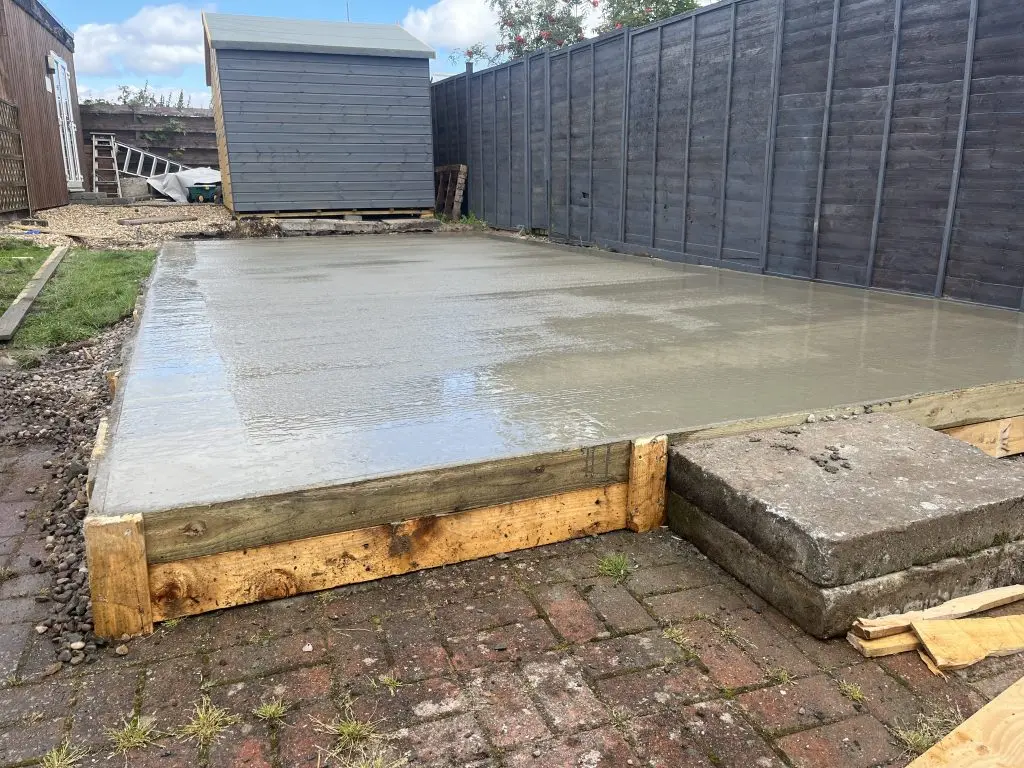
Building an outdoor area that lasts requires more than choosing attractive paving stones or finding a suitable spot for a terrace. Soil conditions, drainage, material quality, structural support, and construction methods all affect the final result. Each decision matters, whether you're planning a small seating area, an outdoor kitchen, or a separate building in your garden.
Site Conditions and Ground Preparation
Before ordering materials or bringing construction equipment onto the property, take time to assess the site. The existing ground conditions will influence nearly every stage of the project, from excavation depth to the type of base required.
Start with three important factors:
Soil composition: Sandy soil usually drains well but may need additional support to carry heavy structures. Clay holds more water and can expand or shrink as moisture levels change. Both conditions require suitable preparation.
Ground slope: A steep or uneven surface may need grading, retaining walls, or additional drainage measures. Ignoring changes in elevation can lead to water collecting near buildings and paved areas.
Existing vegetation: Tree roots, old stumps, and buried organic material can interfere with excavation and cause uneven ground over time.
It's also worth checking for underground utilities before digging. Water pipes, electrical cables, and drainage lines should be identified in advance to prevent damage and avoid unnecessary repair costs.
Once the inspection is complete, the next step is clearing and preparing the construction area. Remove loose debris, vegetation, and unsuitable soil. If the project requires additional fill, use appropriate material and compact it in layers rather than placing a deep layer all at once. Poorly compacted fill can settle under the weight of a patio, walkway, or small building.
For larger projects, a soil assessment from a qualified professional can help determine whether the ground can support the planned structure. This is particularly important on sites with a history of flooding, visible soil movement, or recently placed fill.
Choosing Materials That Match the Project
The right materials should suit the purpose of the outdoor space, local weather, and expected level of use. A decorative garden path has different requirements from a driveway or an outdoor kitchen that will support heavy appliances.
Concrete is a practical option for patios, paths, steps, and structural elements. It can handle regular use and offers flexibility in shape and finish. However, its performance depends on proper installation, reinforcement where required, and suitable curing conditions.
Natural stone gives outdoor areas a distinctive appearance and can work well for patios and garden paths. Its main drawback is that some stone types require more maintenance than others. Porous surfaces may absorb water, while uneven pieces can create problems if the base isn't properly prepared.
Gravel is often used for informal paths, seating areas, and drainage layers. It's relatively easy to install, but it needs suitable edging and occasional maintenance to keep the surface level.
Timber can add warmth to decks, pergolas, and garden structures. When choosing it, consider moisture exposure, resistance to decay, and the need for protective treatments.
Before making a final decision, compare materials based on:
Purchase and installation costs.
Expected maintenance requirements.
Resistance to rain, frost, and temperature changes.
Weight and structural demands.
Availability of replacement materials.
A cheaper surface isn't always the more affordable option over ten years. Regular repairs, replacement work, and cleaning can increase its total cost.
The Structural Base Behind Long-Lasting Results
The visible part of an outdoor project receives most of the attention, but its foundation does much of the work. It transfers weight to the ground, limits movement, and helps prevent uneven settlement.
For a simple garden path, a properly compacted aggregate base may be enough. A large patio, retaining wall, or detached garden building can require a more carefully designed foundation. The correct solution depends on soil conditions, dimensions, expected loads, and local construction requirements.
Concrete foundations are particularly useful when a structure needs stable support. Their design should account for soil strength, frost conditions, water exposure, and the weight they must carry. Resources such as https://www.siteprep.com/concrete-foundations/ can help readers understand the role of concrete foundations and the main considerations involved in their construction.
Preparation matters just as much as the concrete itself. Excavated areas should have the required dimensions, stable sides, and a suitable base. Reinforcement must follow the project design, while concrete placement should avoid unnecessary delays and poor joints.
Curing is another step that shouldn't be rushed. Concrete needs suitable moisture and temperature conditions to develop strength. Some construction specifications call for at least seven days of moist curing, although the required period depends on the concrete mix, weather, and project requirements.
Drainage and Protection Against Weather Damage
Water is one of the main causes of damage to outdoor construction. When rainwater stays around foundations or beneath paved surfaces, it can weaken the ground, wash away base materials, and contribute to cracks or movement.
Plan drainage before installing the final surface. The ground should direct water toward a suitable collection point rather than toward buildings or neighboring properties.
The 2024 International Residential Code provides useful reference figures for residential site drainage. Section R401.3 specifies a fall of at least 6 inches over the first 10 feet away from foundation walls. Where physical conditions prevent this, alternative drainage measures may be required. The code also specifies a minimum 2% slope for impervious surfaces within 10 feet of a building foundation. Local rules may differ, so these figures should be treated as a reference rather than a universal design instruction. Source: International Residential Code, 2024, Chapter 4.
Depending on the site, useful solutions include:
Surface channels that collect rainwater.
Gravel drainage layers beneath suitable paved areas.
Perforated pipes that direct excess groundwater away.
Swales that guide surface water toward an approved outlet.
Also consider seasonal conditions. Freeze-thaw cycles can damage poorly drained surfaces, while prolonged dry periods may cause some soils to shrink. Good drainage and suitable material selection help reduce these risks.
Construction Checks and Long-Term Maintenance
Even a well-planned project can develop problems if construction quality isn't checked at each stage. Don't wait until the final inspection to look for mistakes.
Before covering the prepared ground, check its level, compaction, and drainage direction. Before concrete placement, confirm that formwork, reinforcement, and dimensions match the approved design. Once the work is complete, inspect joints, surface levels, and connections between different materials.
Keep records of material specifications, contractor details, and any changes made during construction. These documents can be useful if repairs or extensions are needed later.
Maintenance should become part of the regular care routine. Inspect outdoor surfaces after heavy rain and through seasonal temperature changes. Remove leaves from drainage channels, replace loose paving stones, and repair small cracks before water enters and causes further damage.
A durable outdoor space isn't the result of one expensive material or a single construction technique. It comes from sensible planning, suitable ground preparation, proper structural support, and regular care. Get these elements right, and the finished space will remain useful, safe, and attractive for many years.