Books Where the Sequel Was Better Than the First
There’s a saying in the literary world: “The sequel is never as good as the first.” But every now and then, a second book comes along that completely flips the script — elevating the story, deepening the characters, and leaving readers even more obsessed than before. Whether it’s because the author found their stride, the plot thickened in all the right ways, or the world-building took a jaw-dropping leap, these sequels didn’t just hold their own — they surpassed the original.
In this post, we’re spotlighting those rare and brilliant follow-ups that prove lightning can strike twice — and sometimes, it hits even harder the second time. Let’s dive into a list of book sequels that weren’t just good… they were better.
Why Do Sequels Sometimes Outshine the First Book?
While the first book in a series often carries the burden of setting the stage — introducing characters, building the world, and establishing the rules — the sequel has a distinct advantage: it gets to play. With the groundwork already laid, the author can dive deeper into the heart of the story, exploring character arcs with more nuance and raising the stakes without pausing for exposition. Readers are no longer trying to get their bearings — they’re immersed, invested, and ready for more.
Another reason sequels often surpass their predecessors is that authors tend to hit their creative stride the second time around. The characters have voices now, the world feels lived-in, and there’s room to experiment with new dynamics or darker themes. Plotlines can grow more intricate, conflicts more intense, and relationships more emotionally charged. This progression often gives the sequel a richer, more rewarding experience.
Reader familiarity also plays a role. By book two, we know the characters — their quirks, their flaws, their desires — which makes it easier to connect with them on a deeper level. There’s also a kind of trust that forms between the author and the reader; we’ve committed to the journey, and now we get to enjoy the payoff.
In short, while the first book may spark our curiosity, the sequel has the power to ignite our obsession. And in the case of the books we’re about to dive into, that’s exactly what happened.
Books Where the Sequel Shined Brighter
Some sequels don’t just continue the story — they transform it. These books took everything that worked in their predecessors and elevated it, delivering more tension, deeper emotion, and unforgettable moments that made readers fall even harder. Let’s take a look at some standout examples where the second book truly stole the spotlight.
Catching Fire by Suzanne Collins is often hailed as a rare case where the sequel improves on an already strong debut. While The Hunger Games introduced readers to Panem and the brutal world of the Games, Catching Fire deepened the political intrigue and ramped up the emotional complexity. The Quarter Quell twist was shocking, the rebellion’s spark felt urgent, and Katniss evolved into a more layered and conflicted protagonist. It wasn’t just about survival anymore — it was about resistance, sacrifice, and what it truly means to be a symbol.
Another fan-favorite glow-up comes with A Court of Mist and Fury by Sarah J. Maas, the sequel to A Court of Thorns and Roses. While the first book leaned into a Beauty and the Beast-style fantasy romance, the second shattered expectations. Feyre’s emotional journey took center stage, exploring trauma, healing, and personal empowerment in a way that resonated deeply with readers. New characters like Rhysand and the Inner Circle added charisma and complexity, and the world expanded dramatically — ushering in high-stakes conflict and political tension that set the series ablaze.
Harry Potter and the Chamber of Secrets brought a darker, more mysterious tone to J.K. Rowling’s wizarding world. Following the whimsical wonder of The Philosopher’s Stone, this sequel layered in danger, a hidden monster, and an ancient secret that linked Harry to Voldemort in ways we didn’t yet understand. The stakes felt higher, the danger more immediate, and the story more tightly woven — laying the groundwork for the deeper lore to come.
Philip Pullman’s The Subtle Knife, the follow-up to The Golden Compass, expanded the scope of His Dark Materials by introducing entirely new worlds and a second protagonist, Will Parry. Where the first book focused heavily on Lyra’s journey, the sequel added emotional weight and moral ambiguity. With themes of responsibility, sacrifice, and the nature of consciousness, The Subtle Knife dared to go deeper and darker, evolving the narrative into something truly epic.
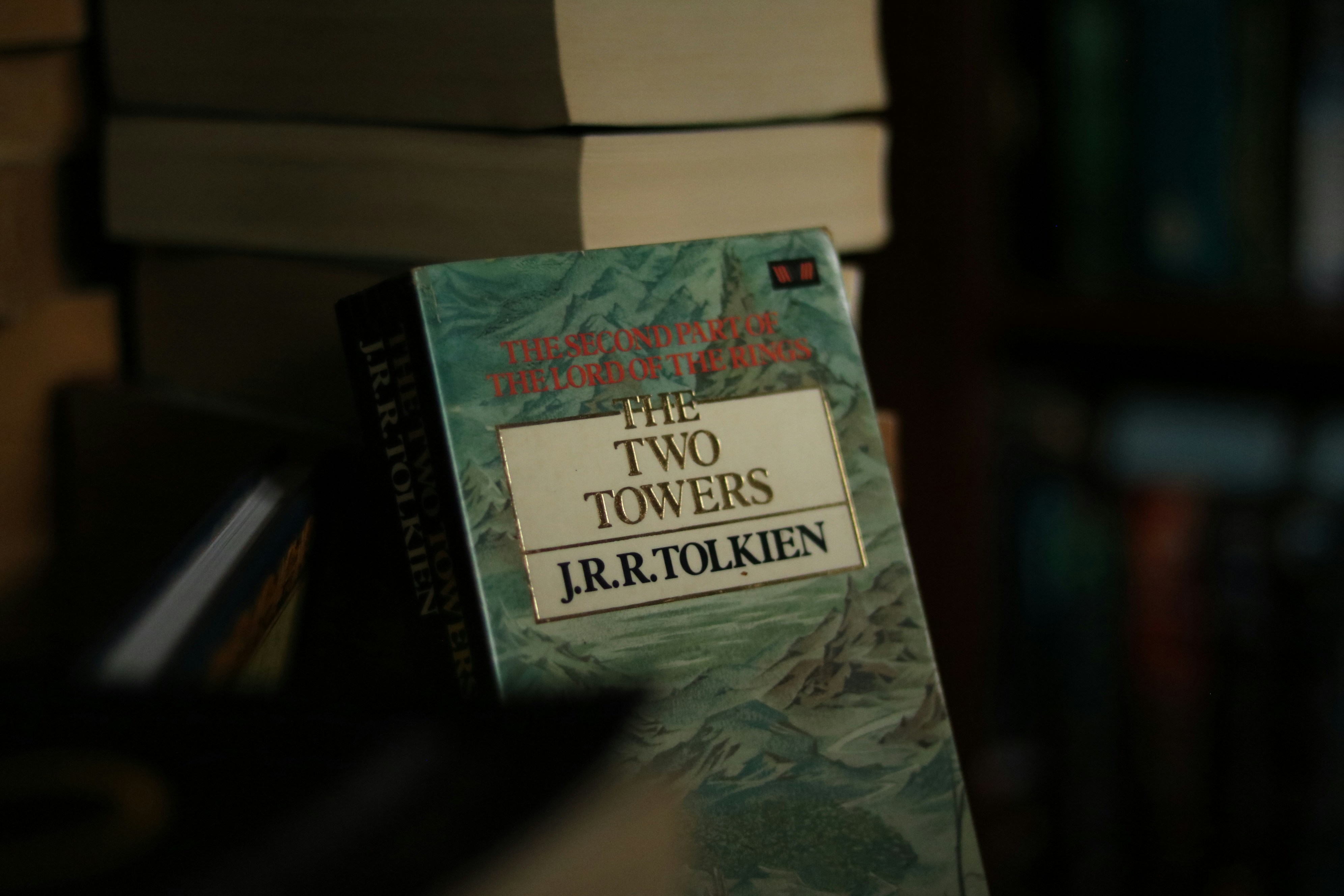
Even classic fantasy has its shining sequels. The Two Towers, the middle book of J.R.R. Tolkien’s The Lord of the Rings trilogy, is often remembered for its sweeping battles, emotional growth, and the unforgettable pairing of Frodo and Sam’s journey into the heart of Mordor. With the Fellowship split and each character pursuing their own perilous path, the story became more dynamic and emotionally resonant. It’s a middle book that refuses to feel like filler — instead, it drives the story to thrilling new heights.
Honorable Mentions
Not every sequel gets the spotlight it deserves, but that doesn’t mean they didn’t leave a lasting impact. These books may not have cracked the mainstream like some of the others, but they’re beloved by readers for how they deepened their respective stories and elevated the series in powerful ways.
Empire of Storms by Sarah J. Maas, the fifth book in the Throne of Glass series, is technically deep into the saga — but it reads like a sequel to the emotional growth and revelations of Queen of Shadows. With jaw-dropping twists, powerful character reunions, and long-awaited payoffs, Empire of Storms took the momentum of the series and launched it into an epic, heart-wrenching sprint toward the finale. It proved that even far into a series, a “sequel” can redefine everything.
Royal Assassin, the second installment in Robin Hobb’s Farseer Trilogy, is a brilliant deepening of what began in Assassin’s Apprentice. Where the first book introduced FitzChivalry and the burdens of royal blood, Royal Assassin leaned hard into emotional complexity, heartbreak, and political stakes. Hobb’s masterful character work and slow-burning tension made the sequel a triumph in fantasy storytelling, particularly for readers who crave introspection and rich world-building.
The Wise Man’s Fear by Patrick Rothfuss is another standout, building on the lyrical storytelling and mythic tone of The Name of the Wind. Though some readers debate its pacing, many agree that the sequel expanded the scope of Kvothe’s world and legend with bold, surprising narrative choices. From sword training to romantic entanglements to philosophical musings on power, The Wise Man’s Fear deepened the series’ themes and mythology, leaving fans hungry for the long-awaited third book.
Finally, Gathering Blue by Lois Lowry deserves mention, even though it functions more like a companion piece than a direct sequel to The Giver. While the first book is often taught in classrooms, Gathering Blue quietly expands the universe, showing another dystopian society with its own haunting rules. Its quiet strength lies in character growth and a slow-burn mystery, eventually weaving into the larger narrative arc that ties back to The Giver in unexpected and meaningful ways.
Reader Poll
Now it’s your turn — because let’s face it, every reader has that sequel they’ll defend with their whole heart. Maybe it’s a well-known favorite that delivered everything the first book lacked, or maybe it’s an underrated gem that deserves more love. Whatever it is, we want to hear about it.
Which book sequel completely changed the game for you? Was there a second installment that pulled you deeper into a story you were only mildly enjoying before? Or maybe one that made you fall in love with a character you hadn’t fully connected with the first time around?
Drop your favorite sequel in the comments below and tell us why it stood out. Was it the writing? The plot twists? A new character that stole the show? Let’s get the conversation going — bonus points if you convince someone else to add it to their TBR!
And if you’re sharing this post on social media, tag a fellow bookworm and ask them what sequel stole their heart. Use the hashtag #SequelGlowUp so we can find and feature your picks!
Conclusion
While the first book in a series has the tough job of laying the foundation, it’s often the sequel that gives a story its wings. From deeper character development to bolder world-building and emotional payoffs, these second acts can take everything we loved (or were unsure about) and amplify it into something unforgettable. A great sequel doesn’t just continue the story — it transforms it.
These standout follow-ups prove that the best is sometimes yet to come. Whether it’s political intrigue, emotional growth, or sheer narrative ambition, the sequels on this list remind us not to judge a series by its first book alone. So if you’ve ever found yourself lukewarm on a debut, consider giving its sequel a shot — it just might surprise you.
Books are journeys, and sometimes, the second chapter is where the real magic happens.
Frequently Asked Questions (FAQs)
1. Why do some people find sequels better than the first book?
Sequels often benefit from the groundwork laid in the first book. With world-building and character introductions out of the way, authors can dive into deeper emotional arcs, more complex plots, and faster pacing. Readers also tend to be more invested by book two, which can enhance their enjoyment.
2. Do I need to read the first book before reading a sequel?
In most cases, yes. Sequels usually build on the events, character development, and lore introduced in the first book. Skipping the original might leave you confused or missing key emotional moments. However, some series (especially companion novels) can be read out of order — just check the author’s intent.
3. Are there any book series where each book gets better and better?
Absolutely! Series like Throne of Glass by Sarah J. Maas, Mistborn by Brandon Sanderson, and The Wheel of Time by Robert Jordan (especially after the early books) are often praised for improving as they go. Many long-running fantasy or sci-fi series build momentum over time.
4. Can a sequel save a series if the first book wasn’t great?
Definitely. Some readers are underwhelmed by a debut but blown away by the sequel. Authors grow and refine their storytelling with each book, so it’s worth giving the second installment a chance — especially if you liked the concept or characters but found the first book slow or clunky.
5. What makes a sequel better than the first in your opinion?
While it varies for everyone, common traits include stronger character development, more intricate plotting, heightened emotional stakes, richer world-building, and a faster, more confident narrative voice. If a sequel makes you care more deeply or keeps you up late turning pages, that’s a good sign it’s outshining book one.
You Might Also Like:
~