Planning a Memorable Rwanda Trip: A Practical Guide for First Time Visitors
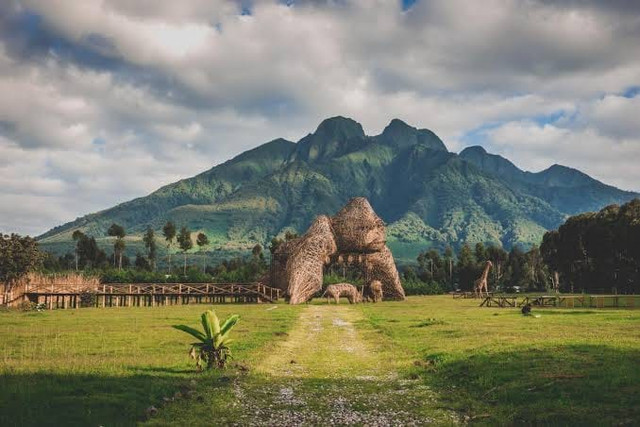
Rwanda offers travellers a combination of dramatic landscapes, vibrant city life, wildlife experiences, and opportunities to learn about local culture. A successful visit, however, depends on more than choosing attractive photographs or booking the first available itinerary. Travellers benefit from understanding distances, seasonal conditions, park requirements, and the practical details of moving between destinations. Whether the goal is a short holiday or a longer journey, careful planning can make the experience more rewarding and less stressful. This guide explains how to organise a thoughtful Rwanda trip while leaving room for discovery.
Choose experiences that match your interests
Begin by deciding what you most want to experience. Some visitors are drawn to the green hills and wildlife encounters, while others prefer cultural activities, scenic drives, or time in Kigali. Rwanda has enough variety that a short visit can become rushed if every appealing destination is included. Identify two or three priorities and build the itinerary around them. A traveller interested in nature may prefer longer stays near national parks, whereas someone seeking a broader introduction might combine city experiences with countryside excursions. Consider your travel companions, physical fitness, available time, and comfort with early departures. Activities involving walking or hiking can vary considerably in difficulty, so ask about expected conditions before booking. Leave space for meals, rest, and unplanned discoveries. A well designed journey is not necessarily the one with the greatest number of stops. It is the one that allows enough time to appreciate each experience. Discuss priorities with everyone travelling together before confirming reservations. Keep your daily priorities visible when comparing tour options. A package that includes more stops is not automatically better suited to your interests or available energy.
Plan a realistic route and daily schedule
Kigali is a common starting point for visitors, but journeys beyond the capital require realistic planning. Roads, terrain, weather, and stops along the way can affect travel time. Avoid estimating every transfer solely from the distance shown on a map. Ask a knowledgeable local operator about sensible departure times and whether particular routes require additional preparation. When planning multiple destinations, consider staying overnight rather than repeatedly returning to the same base. This can reduce fatigue and allow more time for activities. It is also helpful to keep the first day relatively light after international travel. A packed schedule may seem efficient, but delays can create unnecessary pressure. Build in opportunities to enjoy viewpoints, markets, and local meals without watching the clock. If your itinerary includes remote locations, check the availability of transport and accommodation in advance. Clear communication about pickup points, luggage, and expected arrival times helps the entire journey run smoothly. Travelling comfortably often means doing fewer things well. Check whether proposed journeys include reasonable breaks. Travel time should be treated as part of the experience, not as an inconvenience that can always be compressed.
Understand wildlife visits and park requirements
Rwanda is widely associated with gorilla trekking, but wildlife travel requires preparation and respect for conservation rules. Access to certain experiences is controlled through permits, guided activities, and visitor requirements. Availability can be limited, especially during popular travel periods, so check current arrangements before finalising flights or accommodation. A permit should not be assumed to be included in every advertised package. Ask exactly what is covered and which expenses remain separate. Trekking conditions can change with weather and terrain, and encounters with wildlife are never guaranteed to unfold in a particular way. Follow the instructions of authorised guides and observe all applicable health, distance, and photography rules. Other nature experiences may involve different requirements, so research each destination independently. Responsible wildlife tourism puts animal welfare and habitat protection ahead of photographs. Travellers should choose activities that follow established conservation practices rather than promising unusually close or uncontrolled encounters. Preparation improves safety while protecting the places people have travelled to see. Review the official guidance close to your departure date. Permit rules, visitor limits, and other practical arrangements can change between the initial inquiry and the trip.
Prepare for weather, packing, and practical needs
Rwanda's landscapes and elevations mean conditions can differ between locations, even during the same trip. Comfortable walking shoes, a rain layer, sun protection, and suitable clothing are practical additions to many packing lists. If trekking is planned, ask the organiser about footwear, protective clothing, and the physical demands of the route. Keep important documents, essential medication, and booking confirmations accessible during transfers. Travellers should check passport validity, current entry requirements, and any applicable health guidance using official sources before departure. Travel insurance should be reviewed carefully, particularly if the itinerary includes hiking or other specialised activities. Confirm payment arrangements and whether small purchases require local currency. Mobile connectivity may vary, so save essential addresses and contact details for offline use. A simple daily checklist can help:
- Confirm the next day's pickup time and meeting location.
- Carry water, weather protection, and any required documents.
- Keep emergency contacts and accommodation details available.
- Allow extra time when changing destinations or activities.
These habits make the journey easier without turning every moment into a rigid schedule. Consider the needs of children or older companions when planning long days. A comfortable pace can make shared travel more enjoyable for everyone involved.
Travel respectfully and support local communities
Travel becomes more meaningful when visitors approach local communities with curiosity and respect. Learn a few basic greetings and ask permission before photographing people, especially in markets or residential areas. Respect local customs and follow guidance at memorials, cultural sites, and places of worship. When visiting a community project or cultural attraction, choose experiences that are organised with local participation and appropriate compensation. Purchasing locally made products and using reputable community services can help direct spending toward residents. Avoid treating everyday life as a performance arranged for visitors. Listen carefully when guides or hosts explain historical and cultural context, and be willing to adjust assumptions. Rwanda's history deserves thoughtful engagement rather than hurried sightseeing. Travellers can also reduce waste by carrying reusable items where practical and following local environmental rules. Responsible behaviour does not require elaborate gestures. It begins with patience, courtesy, and recognition that the places visited are homes and workplaces for other people. Small choices also matter, such as avoiding unnecessary disturbance and following instructions about waste disposal. Respectful travel supports the long term appeal of destinations.
Book carefully and keep flexibility in your plans
Before making payments, compare itineraries in detail rather than relying on a headline price. Ask what accommodation category is included, how transport is arranged, whether park permits are covered, and which meals or activities cost extra. Request clear cancellation terms and understand what happens if weather or operational changes affect the schedule. When researching options, travellers can explore Inka Tours as one starting point for discussing a Rwanda itinerary, while independently checking that the proposed services fit their needs. A useful booking conversation should clarify group size, activity difficulty, pickup arrangements, and any accessibility requirements. Keep written confirmation of important promises and payment terms. Avoid scheduling a major activity immediately before a flight if delays could cause problems. It is sensible to have a backup plan for days when conditions change. Good travel planning combines structure with flexibility, allowing visitors to enjoy the journey without expecting every hour to unfold exactly as advertised. Read recent independent feedback when possible and ask specific questions about the proposed itinerary. Clear answers outweigh vague assurances of a perfect holiday.
Rwanda rewards travellers who balance preparation with openness to new experiences. Choose a manageable route, verify important bookings, respect conservation requirements, and make time for meaningful cultural encounters. With realistic expectations and careful organisation, a trip can feel both adventurous and comfortable, creating memories that extend well beyond the itinerary.
Your breakdown of matching activities to interests is spot on—do you have a favorite wildlife park that you’re hoping to visit, or are you leaning more toward the cultural tours in Kigali? 🌍🦍🚗