Art Installation Services for Thoughtfully Finished Interiors
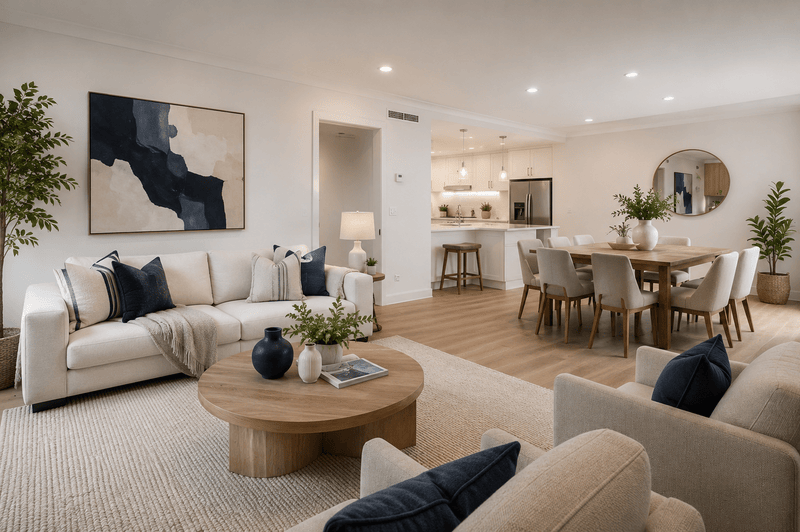
Artwork can completely change the way a room feels, but getting it onto the wall is often more complicated than expected. A framed piece may look perfect leaning against a wall and surprisingly awkward once it is hung too high. A gallery arrangement that seemed balanced on the floor might feel crowded when transferred to a narrow hallway. Then there are the practical questions about wall materials, fixings, weight and alignment.
Professional Art Installation Services address both sides of the process. The artwork needs to be positioned thoughtfully, but it also needs to be supported appropriately for the piece and installation surface.
This becomes particularly important when working with large artworks, valuable collections, mirrors or installations containing several pieces. Good placement should feel natural once the job is complete, even though considerable measuring and planning may have happened beforehand.
Placement Changes the Way Art Is Experienced
There is no universal height that automatically makes every artwork look right.
The proportions of the room, furniture placement, ceiling height and dimensions of the artwork all influence where a piece may sit comfortably. An artwork positioned above a sofa needs to relate visually to the furniture below it, while a piece in a hallway is experienced from a different viewing distance.
Large open walls create another challenge. A small artwork may look disconnected when surrounded by too much empty space, while an oversized piece can dominate a compact room.
Before making holes in the wall, it helps to consider the complete composition.
Professional installers often assess artwork in relation to surrounding architecture and furnishings rather than treating the wall as an isolated surface. This approach may create a result that feels more intentional.
Wall Construction Matters
A wall might look simple from the outside, but the material behind the paint influences the installation method.
Plasterboard, masonry, concrete and other surfaces have different characteristics. The appropriate fixing also depends on the artwork's dimensions, weight, frame and hanging hardware.
Guessing is particularly risky with heavier pieces.
An unsuitable fixing may damage the wall or fail to support the artwork correctly. Even when the artwork remains in place, poor fixing choices can make alignment difficult or leave the piece unstable.
People considering All Art and Mirrors for an installation may benefit from having information about the artwork and property available beforehand, particularly where unusually large or heavy items are involved.
Heavy Artwork Requires More Planning
The larger an artwork becomes, the less practical casual hanging methods may be.
Weight influences the type and number of fixing points required, while dimensions affect how easily the piece can be positioned and levelled. Large framed works can also be awkward to handle safely without sufficient space or assistance.
Access to the installation location should therefore be considered.
A large artwork destined for a staircase or high wall may require a different approach from an equally heavy piece positioned at ordinary viewing height. Furniture, architectural features and limited floor space can further complicate access.
Planning these details before installation reduces the likelihood of discovering that a piece is difficult to manoeuvre only after it has reached the room.
Gallery Walls Need Consistency Without Looking Mechanical
Gallery walls can bring together photographs, prints and artworks of different dimensions into one larger composition.
The challenge is creating enough consistency for the arrangement to feel connected without making it unnecessarily rigid.
Spacing plays an important role. If gaps vary too dramatically, individual pieces may appear disconnected. If everything is positioned too closely, the collection can become visually crowded.
The outer shape of the arrangement also affects the result.
Some gallery walls use a clear grid, while others combine different frame dimensions in a more organic layout. Neither method is automatically better. The choice depends on the collection, room and overall interior style.
Planning the arrangement before fixing anything permanently may help avoid repeated holes and unnecessary repositioning.
Mirrors Introduce Different Considerations
Mirrors share some installation principles with framed art, but their weight and function create additional considerations.
A mirror needs to look appropriate within the room while also reflecting something useful or visually pleasing. Positioning it directly opposite an unwanted view can undermine an otherwise attractive installation.
Large mirrors can also be particularly heavy.
Appropriate support becomes essential, especially where a mirror is positioned above furniture or in an area regularly used by occupants.
For this reason, people searching for Sydney Art and Mirror Installers may want to consider both the visual placement and practical installation requirements before deciding on the final position.
Staircases Create Interesting Installation Opportunities
Staircases often contain large areas of unused wall space, making them popular locations for artwork and family photograph arrangements.
They are also more complicated than ordinary walls.
The viewing height changes as someone moves up or down the stairs, while the angle of the staircase influences the way multiple pieces relate to one another. Access for measuring and installation can also be more difficult.
A successful staircase arrangement often responds to the direction of travel rather than following the same rules used on a flat hallway wall.
For collections containing several pieces, planning the complete arrangement beforehand becomes particularly useful. This allows spacing and overall movement to be considered before individual fixing points are installed.
Commercial Spaces Need a Different Approach
Artwork in an office, hotel, restaurant or other commercial environment may serve several purposes.
It can contribute to the atmosphere of the space, introduce colour and provide visual interest across otherwise plain walls. In some settings, artwork may also form part of the organisation's broader interior identity.
Commercial installations often involve more pieces than residential projects, which makes consistency important.
A long corridor containing multiple artworks needs a clear approach to height and spacing. Hotel rooms may require repeatable positioning, while reception areas could include larger statement pieces.
Installation also needs to work around the way the property operates. Access, furniture and other contractors may all influence when and how the work is completed.
Interior Designers Need Accurate Installation
Interior designers may spend considerable time selecting artwork that relates to furniture, finishes, lighting and the proportions of a room.
The final installation needs to respect those decisions.
A difference of only a few centimetres can affect the relationship between artwork and nearby furniture, particularly in carefully composed interiors. Multiple pieces may also need precise alignment to achieve the intended effect.
This is where clear communication between designer and installer becomes important.
Marking intended locations, providing elevations or discussing placement on site may help translate the design concept into the completed interior.
Professional installation therefore becomes part of executing the broader design rather than a separate task added at the end.
Lighting Influences Artwork Placement
A wall may appear ideal until lighting is considered.
Natural light changes throughout the day, while artificial lighting creates its own highlights and shadows. Reflective surfaces and glazed frames can also produce glare when positioned opposite strong light sources.
The relationship between artwork and lighting should therefore be considered before installation.
Existing picture lights, track lighting or architectural lighting may already influence the intended position. In other cases, artwork placement may need to work around windows and other sources of light.
This does not mean every piece requires specialised lighting. It simply means the visual environment changes depending on where the artwork sits.
Taking a few moments to view the proposed location under normal room lighting may reveal issues that are not immediately obvious.
Collections Benefit From Planning as a Whole
When several artworks are being installed throughout a property, it is useful to think beyond each piece individually.
A collection can create visual connections between rooms through colour, scale, framing or subject matter. Larger works may suit prominent walls, while smaller pieces could be grouped in more intimate spaces.
Not every wall needs artwork.
Leaving some areas open can give important pieces more visual presence and prevent an interior from feeling overcrowded.
People arranging Professional Art Hanging Sydney across a home or commercial property may therefore benefit from establishing the broader placement strategy before every individual piece receives a permanent position.
High Walls Need Additional Preparation
Contemporary homes and commercial buildings often contain voids, double height spaces and other tall walls that provide impressive locations for large artwork.
Installing at height introduces practical challenges.
The artwork needs to be positioned correctly when viewed from the floor, but access equipment may also be required to reach the installation point safely. Large pieces can become difficult to handle as height increases.
The viewing distance also changes. An artwork that appears enormous while being handled at ground level may feel appropriately scaled once positioned on a substantial wall.
For these spaces, judging placement entirely from close range can be misleading. The room needs to be considered from the locations where occupants usually experience it.
Art Installation Can Be Planned Before Moving Day
Moving into a new home or office often creates a rush of small jobs.
Artwork is frequently left until the end, which can result in framed pieces remaining stacked against walls for weeks or months.
Planning installation earlier may make the process easier.
If furniture positions are already known, artwork locations can be considered alongside them. For newly completed interiors, it may also be useful to understand wall construction before deciding where particularly heavy pieces should go.
This approach is especially practical for large collections.
Instead of making individual decisions every few days, the property can be assessed as a whole and artwork placed according to an overall plan.
Temporary Exhibitions Have Their Own Requirements
Not every artwork is intended to remain on a wall indefinitely.
Galleries, events, exhibitions and temporary commercial displays may require pieces to be installed for a limited period before being removed or rearranged.
This changes the planning process.
The installer needs to consider the artwork, wall and expected duration of the display. Consistency may also become important when several pieces need to be installed according to a curatorial layout.
Efficient installation and removal can matter when venues operate around strict event or exhibition schedules.
Clear documentation of the intended arrangement may help keep temporary installations organised, particularly where many pieces are involved.
Preparation Makes Installation More Efficient
Before an installer arrives, knowing which artworks are being hung and approximately where they belong may save considerable time.
Pieces do not necessarily need to have exact positions predetermined. In fact, some decisions are easier to make once the artwork is physically held against the wall.
It is still useful to group the relevant pieces and ensure the intended areas are reasonably accessible.
If a particularly heavy or unusual artwork is involved, mentioning this beforehand allows the installation requirements to be considered earlier.
People considering All Art and Mirrors Art Installation Services may also find photographs of the artwork and intended wall useful when discussing more complicated installations.
Good Installation Should Feel Effortless Afterwards
The best art installation often attracts attention to the artwork rather than the work required to hang it.
Frames sit level. Spacing feels deliberate. Large pieces relate comfortably to the architecture, and gallery arrangements look balanced rather than accidental.
Achieving that result may involve measuring, assessing wall construction, choosing suitable fixing methods and making small adjustments to positioning.
That is the practical value of professional Art Installation Services. The process combines visual judgement with the physical requirements of attaching artwork securely and accurately to different surfaces.
Whether the project involves one statement artwork, a staircase gallery, a large mirror or an entire commercial collection, thoughtful preparation helps each piece feel like it belongs in the space rather than simply occupying an empty section of wall.