Understanding Animal Emotions and Consciousness
When a chimpanzee laughs during play, or a rat exhibits empathy by freeing a trapped cage-mate, it isn’t just mimicking behavior. They are experiencing genuine emotional resonance.
Consciousness—the capacity for subjective experience and self-awareness—is also no longer seen as a uniquely human trait. Research reveals that dolphins recognize themselves in mirrors, crows solve multi-step puzzles requiring abstract thought, and bees communicate complex spatial information through dance. These cognitive feats demand a degree of mental workspace that goes far beyond simple reflex.
Why does this matter? Acknowledging animal sentience has massive ethical implications. It forces us to re-evaluate how we treat wildlife, livestock, and laboratory subjects. If animals feel joy, fear, grief, and pain, our moral obligation toward them deepens significantly.
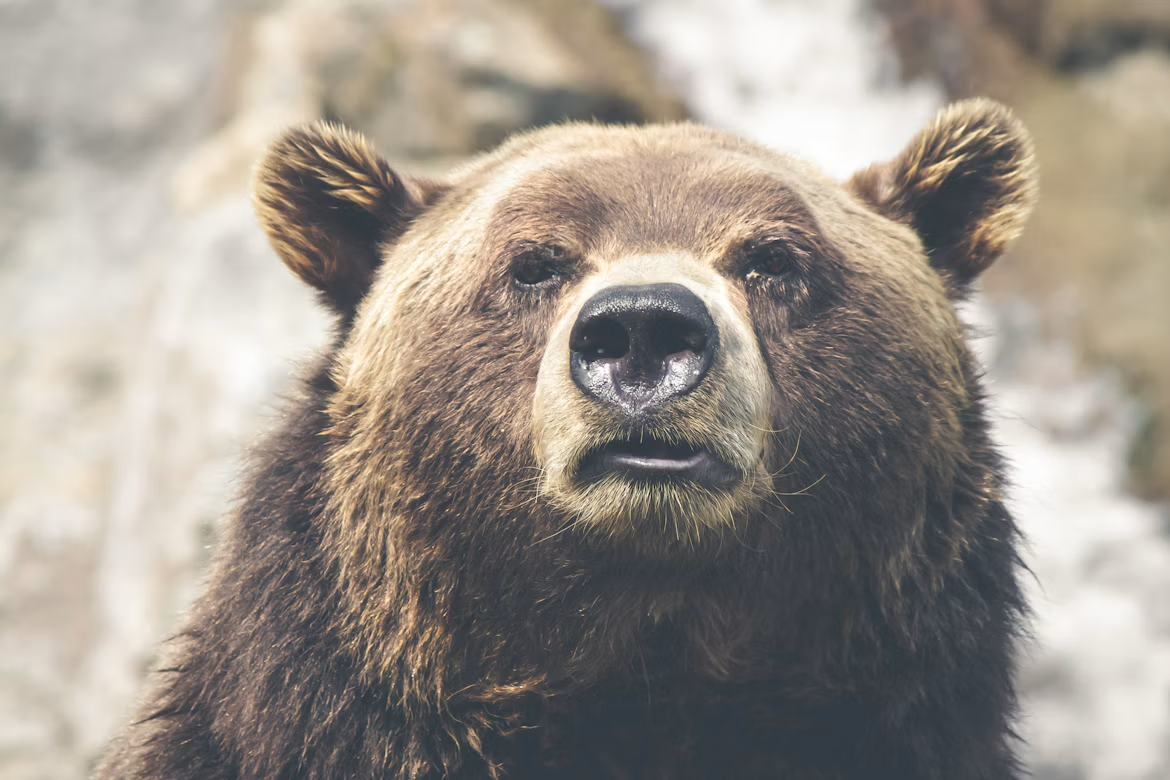
Ultimately, recognizing that we share a spectrum of consciousness with the animal kingdom bridges the gap between humans and nature. We are not solitary peaks of awareness on an unfeeling planet; rather, we are part of a vast, interconnected tapestry of conscious life. By respecting animal emotions, we don't just elevate our understanding of science—we elevate our own humanity.