How Cloud Accounting Software Helps Small Businesses Grow
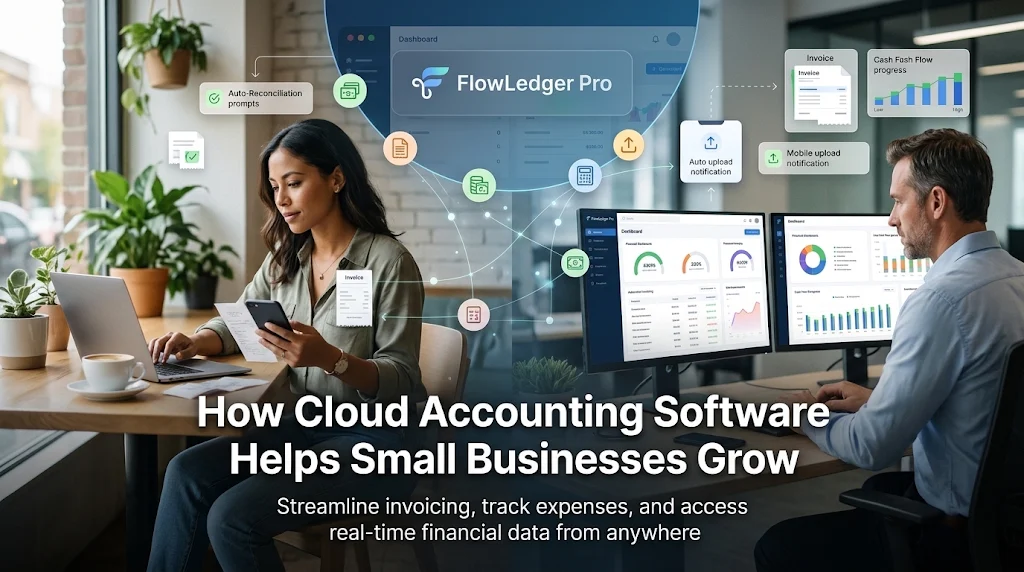
Running a small business is an exciting journey, but managing the finances can quickly become overwhelming. Keeping track of invoices, reconciling bank statements, and ensuring tax compliance can consume hours of valuable time every week. FlowLedger Pro provides smart, automated financial tools designed specifically to simplify bookkeeping and give owners peace of mind. Using the right cloud accounting software for small business allows growing companies to streamline their workflows, make data-driven decisions, and maintain clear financial visibility from anywhere.
This guide explains how modern cloud accounting platforms work, which features matter most, and how your team can adopt a smooth financial management habit.
What Is Cloud Accounting Software?
Cloud accounting software is a digital platform that hosts your financial data on secure, remote servers instead of a single local computer. This means you, your team, and your accountant can access real-time financial records anytime, anywhere, using any device with an internet connection.
This software acts as your central financial hub, capable of:
- Automatically importing transactions from your bank accounts
- Generating and sending professional invoices to clients instantly
- Tracking business expenses and uploading digital receipts on the go
- Producing real-time financial reports, such as profit and loss statements
- Streamlining tax preparation with organized, accessible data
Instead of waiting for month-end reports, you get an up-to-date view of your cash flow whenever you need it.
Why Small Businesses Need Cloud Accounting
Relying on traditional paper ledgers, manual spreadsheets, or offline desktop software can severely limit your ability to compete and grow.
1. Wasted Time on Manual Data Entry
Typing numbers from paper receipts and bank statements into spreadsheets is slow and prone to human error. Automation handles these repetitive tasks in seconds.
2. Lack of Real-Time Cash Flow Visibility
If you only look at your financial reports once a month or once a quarter, you are making critical business decisions with outdated information. Cloud software keeps you informed every day.
3. Disconnected Teams and Remote Barriers
With desktop systems, your financial data is trapped in the office. A cloud platform allows your remote team, outsourced bookkeeper, and tax accountant to collaborate seamlessly without physical boundaries.
4. Difficulty Managing Growth
As transaction volumes, client lists, and regulatory requirements expand, manual processes become a bottleneck. Smart financial tools scale with you, keeping your operations organized.
Must-Have Features to Evaluate
The best financial platforms do more than just record numbers. Look for these essential capabilities during your search:
1. Automatic Bank Feeds
The software should securely connect to your business bank accounts and credit cards, importing and categorizing transactions daily to eliminate manual data entry.
2. Smart Invoicing and Payment Gateways
Look for tools that let you create, customize, and send invoices in seconds, with built-in payment links so clients can pay you instantly via credit card or bank transfer.
3. Expense Tracking and Receipt Capture
The ability to snap photos of receipts on your phone and upload them directly to the software ensures you never miss a tax deduction and keep your records organized.
4. Real-Time Financial Dashboards
A centralized dashboard should show your current cash balance, unpaid invoices, upcoming bills, and key performance indicators at a single glance.
5. Multi-User Collaboration
Your software should allow you to grant secure, role-based access to your team members, accountant, and business partners, ensuring everyone works with the same data.
6. Robust Security and Encryption
Handling financial data requires the highest level of protection. Make sure the platform uses bank-grade encryption, multi-factor authentication, and automatic backups.
For an in-depth look at how these features can transform your operations, read this detailed guide on how cloud accounting software helps small businesses grow to optimize your financial workflow.
How to Roll Out Cloud Accounting in 5 Simple Steps
Adopting new financial software is easy when you follow a structured, step-by-step process:
Step 1: Identify Your Biggest Financial Bottlenecks
Are you struggling with late-paying clients, messy receipts, or difficult tax prep? Pinpointing your main pain points will help you focus on the features that will save you the most time right away.
Step 2: Ensure Seamless Integrations
Choose a platform that easily connects with the other business tools you already use, such as your point-of-sale system, payroll provider, and ecommerce platform.
Step 3: Migrate Your Data Smoothly
Work with your accountant to securely export your historical financial data and open balances from your old system and upload them into the new cloud platform.
Step 4: Train Your Team and Set Roles
Make sure anyone handling expenses, invoices, or reporting understands how to use the software. Set up clear, role-based permissions to protect sensitive financial data.
Step 5: Automate and Monitor Regularly
Turn on automated bank feeds, recurring invoices, and payment reminders. Spend a few minutes each week reviewing your dashboard and reconciling transactions to keep your books current.
Real-World Case Studies
Case Study 1: A Busy Consulting Agency
A digital consulting agency with a remote team struggled to track client billings and business expenses across multiple states. Overwhelmed by spreadsheets, the owner spent every weekend chasing down team receipts and manually creating invoices.
The agency transitioned to cloud accounting software to automate time-based invoicing and connect their business bank accounts.
How the tool helps:
- The team now captures and uploads expense receipts on the go.
- Clients receive automated invoices and pay online, reducing average payment times by 10 days.
- Collaborative cloud access allows their remote accountant to handle monthly reconciliation without delay.
Outcome: The owner saved 8 hours of administrative work every week, allowing them to focus entirely on client acquisition and strategy.
Case Study 2: A Growing eCommerce Boutique
An online retail boutique faced inventory and cash flow challenges as sales scaled. Relying on desktop-based spreadsheets made it difficult to see true profit margins or predict cash needs for upcoming inventory orders.
The boutique implemented cloud-based accounting software, integrating it with their online store and bank feeds.
How the tool helps:
- Sales and transaction data sync automatically, eliminating manual bookkeeping errors.
- Real-time inventory and expense tracking provide an accurate, daily view of profitability.
- Live dashboards and cash flow forecasting help the owner plan inventory purchases with confidence.
Outcome: The business successfully expanded its product lines, leveraging real-time data to navigate seasonal cash flow demands safely.
Best Practices for Successful Implementation
Building a strong financial foundation with cloud software requires consistent, healthy habits:
- Keep personal and business finances separate: Only connect dedicated business bank accounts to your software to ensure accurate reporting and painless tax filing.
- Reconcile your accounts weekly: Spend 10 minutes a week matching imported bank transactions to keep your dashboard accurate and catch errors early.
- Set up automated invoice reminders: Let the software politely follow up on unpaid invoices so you do not have to have awkward conversations with clients.
- Collaborate with your accountant in real time: Invite your financial advisor to review your data inside the platform regularly, turning tax season from a rush into a routine check-in.
Frequently Asked Questions (FAQs)
1. Is my financial data safe in the cloud?
Yes. Modern cloud accounting platforms use bank-grade security, including data encryption, multi-factor authentication, and automatic backups on secure, remote servers.
2. Can I use cloud accounting software on my phone?
Yes. Most leading cloud platforms offer mobile apps, allowing you to capture receipts, send invoices, and review your financial dashboard from anywhere.
3. Do I still need an accountant if I use cloud software?
Yes. While the software automates bookkeeping and data entry, an accountant provides strategic advice, ensures tax compliance, and helps you make the most of your financial data.
4. How does cloud software make tax season easier?
The platform keeps all your income, expenses, and digital receipts organized and categorized in one accessible place, so you can share audit-ready data with your tax preparer in seconds.
5. Can I import my existing spreadsheets into the software?
Yes. Most cloud accounting systems allow you to upload CSV or Excel files containing your contact lists, inventory, and historical transaction data to make getting started easy.
Conclusion
Managing small business finances does not have to be a source of stress or endless paperwork. Modern cloud accounting software for small business gives you the real-time visibility, automation, and accessibility you need to make smart, confident decisions and drive sustainable growth.
By automating repetitive tasks, collaborating smoothly with your team, and keeping your records organized, you save valuable time while building a stronger, more resilient business. Selecting the right cloud solution helps you work smarter, answer financial questions faster, and scale your business with confidence.