Five Ways to Boost a Child's Emotional Intelligence
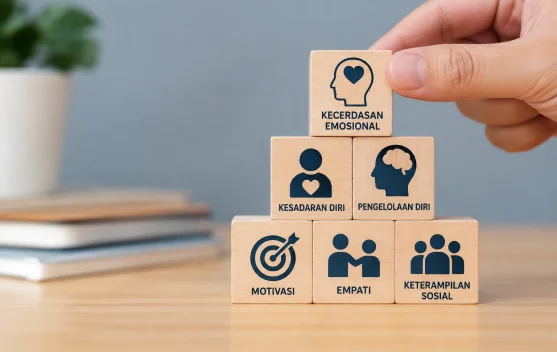
EQ or Emotional Intelligence, refers to a person's ability to understand, interpret, express, and manage their own emotions, as well as their ability to build interpersonal relationships. Emotional intelligence is just as important as intellectual intelligence; an individual's success is not determined solely by intellectual intelligence but is also significantly influenced by emotional intelligence. Parents can employ various parenting strategies to help their children develop a strong EQ that will benefit them in the future.
Emotional intelligence fosters empathy, the ability to manage emotions, and the development of social skills all of which assist children in navigating life. Research by experts indicates that higher emotional intelligence in children offers a protective effect against mental health issues such as depression. Ways to foster high emotional intelligence in children include: (1) Showing empathy. When a child is upset and appears to be overreacting, parents often inadvertently dismiss their feelings. Dismissive comments can give the impression that there is something wrong with how the child feels.
A better approach is for parents to acknowledge the child's feelings and show empathy, even if they do not fully understand the reason for the child's distress. (2) Setting an example. Parents can model appropriate ways to express emotions, as children need to learn how to do this. This can be achieved by using words that describe feelings in daily conversations and making it a habit to discuss them. Parents who possess emotional intelligence tend to adopt parenting styles that support the development of emotional intelligence in their children.
(3) Develop problem-solving skills; building emotional intelligence involves learning how to solve problems. A child might feel angry when a sibling keeps bothering them while they are playing. Offer the child at least five possible solutions. Parents can help the child evaluate the pros and cons of each option, then encourage them to choose the best one. (4) Find ways to help others; working together to assist others can help a child cultivate empathy. Parents can participate in volunteer activities or involve their child when delivering aid packages to relatives or friends facing hardship.

(5) Explore available options both in and out of school. Parents can look for school programs that help children develop emotional skills. They might also consider seeking professional help outside of school for emotional issues; therapy can assist children in learning to recognize and manage their emotions.
Regards,
@fadlymatch