Dust algorithm and clearing unnecessary tokens from crypto wallets
Assalamu Alaikum
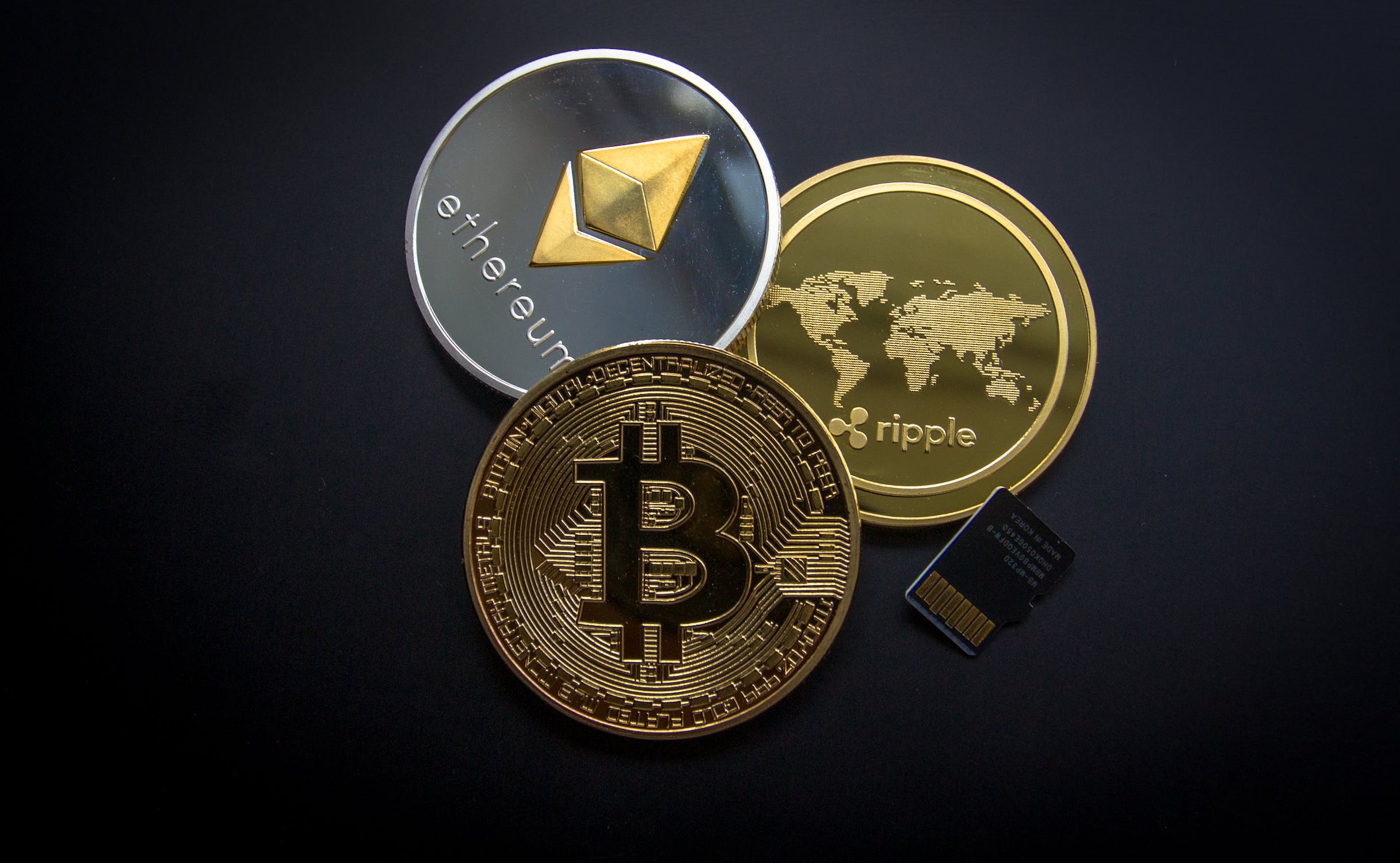
In the world of cryptocurrency and blockchain technology, frequent transactions often result in the accumulation of tiny amounts of crypto tokens or coins in a user's wallet—assets with a financial value approaching zero. In the crypto industry, these remnants or fractional tokens are referred to as "dust." Such dust often remains trapped in a wallet following the deduction of trading fees, or as leftovers from airdrops or token swaps. To manage or clear out these unwanted, minuscule tokens, blockchain networks employ a specialized mechanism known as a "dust algorithm."
When a user transfers cryptocurrency from one wallet to another on a blockchain network, a "gas fee" or transaction fee is deducted in accordance with network protocols. Following this deduction, a negligible amount of tokens—often extending to many decimal places—may remain in the account; these amounts are typically too small to be used for any further transactions. Furthermore, airdrops or promotional distributions from various projects can lead to the accumulation of hundreds of unwanted, obscure tokens, cluttering the wallet's interface.
Advanced crypto wallets utilize a dust algorithm to automatically identify and consolidate these unnecessary, fractional tokens. This specialized algorithm performs a precise analysis of the inputs and outputs within a user's wallet. When the market value of a specific token is lower than the gas fee or transaction cost required to transfer it, the algorithm identifies it as 'dust' and provides the user with an option to clear it out.
Most modern crypto wallets and decentralized exchanges (such as SunSwap or similar platforms) offer a useful feature known as 'Convert to Native Token' or 'Dust Swap' to help users clean up 'dust' in their wallets. This feature allows users to consolidate hundreds of unwanted or unsold 'dust' tokens—left sitting in their wallets—into the primary utility token or a stablecoin of that specific blockchain with just a single click. This process removes the unnecessary tokens from the wallet, leaving behind a usable balance.
'Dust' tokens do more than just clutter a wallet; they also pose significant cybersecurity risks. Hackers or malicious trackers sometimes intentionally send tiny amounts of tokens to users' wallets—a practice known in the crypto space as a 'Dust Attack.' If a user unknowingly attempts to spend or swap these 'dust' tokens, hackers can use on-chain tracking to uncover the user's real-world identity or other sensitive information linked to the wallet. Algorithms designed to handle 'dust,' combined with wallet security protocols, help effectively thwart such phishing and tracking attempts.
When hundreds of unnecessary or spam tokens accumulate in a wallet, the user interface becomes difficult to navigate, and accurately tracking one's actual assets becomes complex. Regularly cleaning a wallet—using "dust" algorithms and token management tools—removes redundant data from the blockchain. This not only keeps the wallet’s visual interface clean and organized but also helps save on gas fees by eliminating the need to process unnecessary transaction data. In short, utilizing dust algorithms and clearing out unwanted tokens is a vital aspect of digital asset management. It protects the wallet from spam and "dust attacks" while ensuring that the wallet remains tidy, secure, and well-organized by managing or removing small, unused tokens. Today's discussion concludes here. I hope you've found it interesting. Please share your thoughts on today's topic. Prayers for everyone. May everyone be well. Amen.


Twitter
https://x.com/bokhtiar17620/status/2122502234298855461?a=26uU-gyem6xuu-r4plI&s=19
https://x.com/bokhtiar17620/status/2122502277302997120?a=0O4YCHxJr-FguKxSS2E&s=19
High-Yield Curation by @steem-seven
Your content has been supported!
| Vote Witness @seven.wit | Meet Speak on Steem |
|---|---|---|
We are the hope!
Note:-
Regards, @adeljose