Easter in Spain 2027: What to See During Holy Week
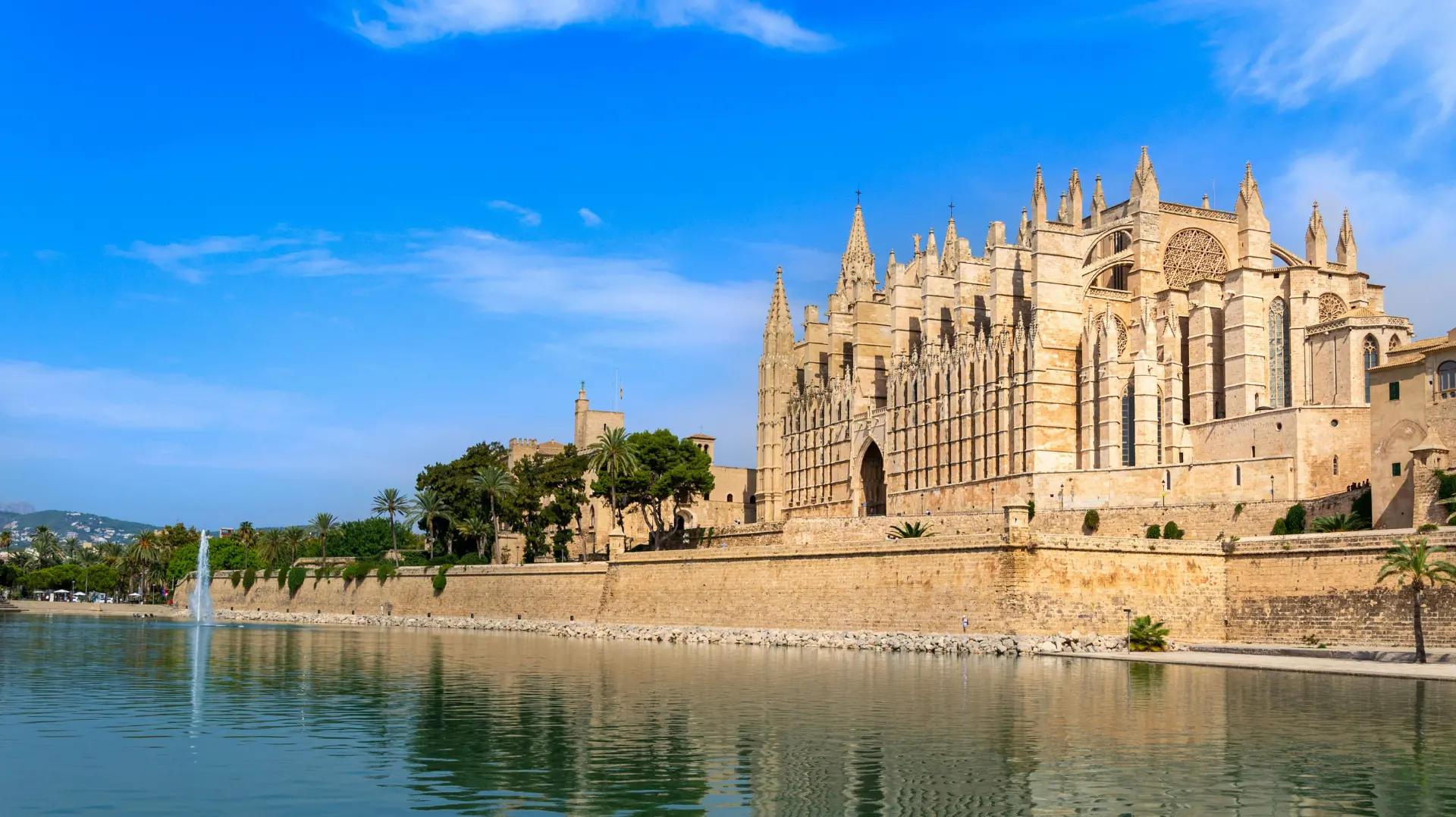
Easter in Spain is one of the most fascinating times of the year to experience the country’s culture, traditions, and historic cities. Known as Semana Santa, Holy Week brings solemn religious processions, traditional music, remarkable artwork, and thousands of people into the streets.
For travelers, Easter in Spain 2027 offers an excellent opportunity to explore cities such as Seville, Málaga, and Granada while experiencing traditions that have been passed down for generations. In 2027, Semana Santa will take place from March 21 to March 28, ending with Easter Sunday.
Easter Dates
The dates of Semana Santa change every year because Easter is linked to the lunar calendar. In 2027, Palm Sunday falls on March 21, followed by the main days of Holy Week before Easter Sunday on March 28.
The most important dates for visitors include Palm Sunday, Holy Thursday, Good Friday, Holy Saturday, and Easter Sunday. However, celebrations begin from the start of the week, with different brotherhoods organizing processions throughout the cities.
If you're planning a trip, it is worth checking the local schedules before traveling because individual procession routes and times can vary.
What Is Semana Santa?
Semana Santa is the Spanish name for Holy Week, a deeply rooted religious and cultural tradition commemorating the Passion, death, and Resurrection of Jesus Christ.
One of its most recognizable features is the procession. Religious brotherhoods, known as cofradías or hermandades, carry decorated religious figures through the streets on large platforms called pasos.
These processions combine religious devotion with art, music, traditional clothing, candles, and centuries-old customs. In many cities, the atmosphere can change dramatically from one procession to another. Some are accompanied by bands and crowds, while others are intentionally quiet and solemn.
Spain's official tourism information describes Holy Week as a tradition in which religion, music, art, and local culture come together in streets across the country.
Easter in Seville
Seville is one of the best-known destinations for Easter in Spain. The city's Semana Santa tradition dates back centuries and has become one of its defining cultural events.
According to Seville's official tourism information, Holy Week has been celebrated in the city for more than seven centuries. In 2027, it will run from March 21 through March 28.
Throughout the week, numerous brotherhoods leave their churches and travel through the city's historic streets. Their pasos are carried by costaleros, while musicians, penitents, and spectators create an atmosphere that can be both dramatic and deeply emotional.
One of the most famous periods is La Madrugá, the overnight period between Holy Thursday and Good Friday. Several highly respected religious images take part, attracting enormous crowds.
Visitors should plan carefully if they want to watch popular processions. Seville's official tourism office recommends checking routes and schedules in advance and arriving early at particularly busy viewing areas.
Easter in Málaga
Málaga offers a different style of Semana Santa. The city is particularly known for its large processional thrones, impressive religious images, music, and strong participation from local brotherhoods.
The official Spanish tourism portal lists Málaga's 2027 Holy Week from March 21 to March 28.
One of the city's distinctive traditions involves Jesús el Rico. During Holy Week, a historic ceremony associated with the image involves the release of a prisoner, a tradition connected to the reign of Charles III.
Málaga also has memorable moments involving music and singing. On Good Friday, for example, one notable tradition takes place at Plaza de Arriola, where nuns from the Convent of the Cruz sing to the Brotherhood of Los Dolores de San Juan.
Easter in Granada
Granada provides perhaps one of the most atmospheric settings for experiencing Semana Santa. Historic neighborhoods, narrow streets, hills, and famous landmarks create a distinctive backdrop for the processions.
Granada's official tourism website confirms that Semana Santa 2027 will take place from March 21 to March 28. The celebration is recognized as a Festival of International Tourist Interest.
Several neighborhoods become important parts of the celebrations, including the Albaicín, Realejo, and Zaidín. The Sacromonte area also provides a particularly memorable setting.
One of Granada's best-known moments occurs on Holy Wednesday with the procession of Cristo de los Gitanos, associated with the dramatic fires traditionally lit around the Sacromonte caves and homes. Holy Thursday brings the Cristo del Silencio procession, when the sound of drums becomes especially noticeable against the quiet streets.
Best Places to Watch
Choosing a good viewing location can make a major difference. Central streets and historic neighborhoods are usually among the most atmospheric places to experience Semana Santa, but they can also become extremely crowded.
In Seville, visitors can watch processions along their routes outside the official section of the itinerary. The city also has designated seating and viewing areas along parts of the official route.
Granada has an official route passing through several central locations before reaching the Cathedral. The city's tourism office also provides information about viewing areas and seating arrangements.
Rather than trying to see every procession, choose a few that interest you and give yourself enough time to enjoy them without rushing.
Travel Tips
Book accommodation early. Semana Santa attracts visitors from Spain and abroad, so popular destinations can become particularly busy during the main days.
It is also sensible to allow extra time when moving around the city. Processions can lead to temporary street closures, crowded sidewalks, and changes to normal transportation routes.
Check official schedules close to your trip. Routes and timings are important, and local tourism authorities publish updated information for visitors. Seville specifically recommends checking procession itineraries and schedules before heading out.
Comfortable shoes are another simple but important consideration. You may spend several hours standing or walking between different viewing locations.
If photography is important to you, arrive early and choose your position carefully. Be respectful when photographing religious ceremonies, particularly during quieter processions.
Plan Your Trip
A Semana Santa trip does not have to focus entirely on processions. One of the best approaches is to combine the celebrations with normal sightseeing.
Spend the morning exploring historic neighborhoods, museums, churches, or monuments, then dedicate the afternoon and evening to selected processions. Keep your schedule flexible because crowds and road closures can make journeys take longer than expected.
For travelers planning their itinerary, Easter in Spain can be a useful starting point for understanding the 2027 dates, regional celebrations, procession highlights, and practical viewing advice.
You can also use Dave In Spain as a helpful reference when researching what to expect during Holy Week.
Final Thoughts
Easter in Spain 2027 is an opportunity to experience a side of Spanish culture that goes far beyond traditional sightseeing. Semana Santa brings together faith, history, craftsmanship, music, food, and local community life in a way that makes each destination feel unique.
Seville is ideal for those seeking one of Spain's most famous Holy Week traditions. Málaga offers spectacular processional displays and distinctive local customs, while Granada combines Semana Santa with an extraordinary historic setting.
With some advance planning and an open mind, Semana Santa can become one of the most memorable parts of a Spanish journey.