For the first time in history, a human spinal cord is transplanted.

For the first time in history, a human spinal cord is transplanted.
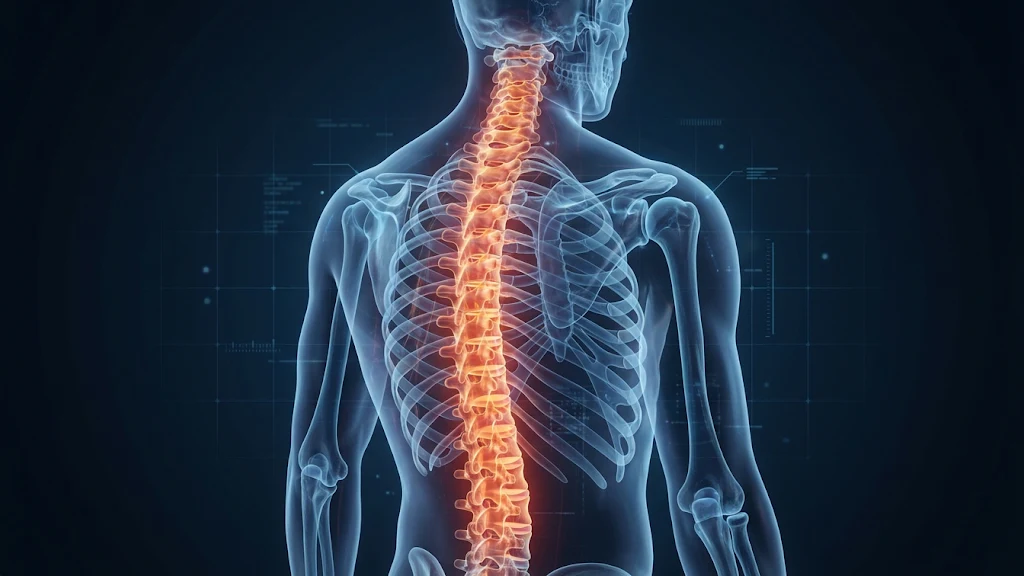


A team of Russian and Chinese surgeons has performed an operation that, until recently, seemed far beyond the reach of modern medicine: the transplantation of a segment of the human spinal cord. The procedure took place in Moscow and lasted approximately 12 hours. The patient, a 38-year-old man, had sustained a severe spinal injury in 2022, which impaired his movement and sensation below the affected area.
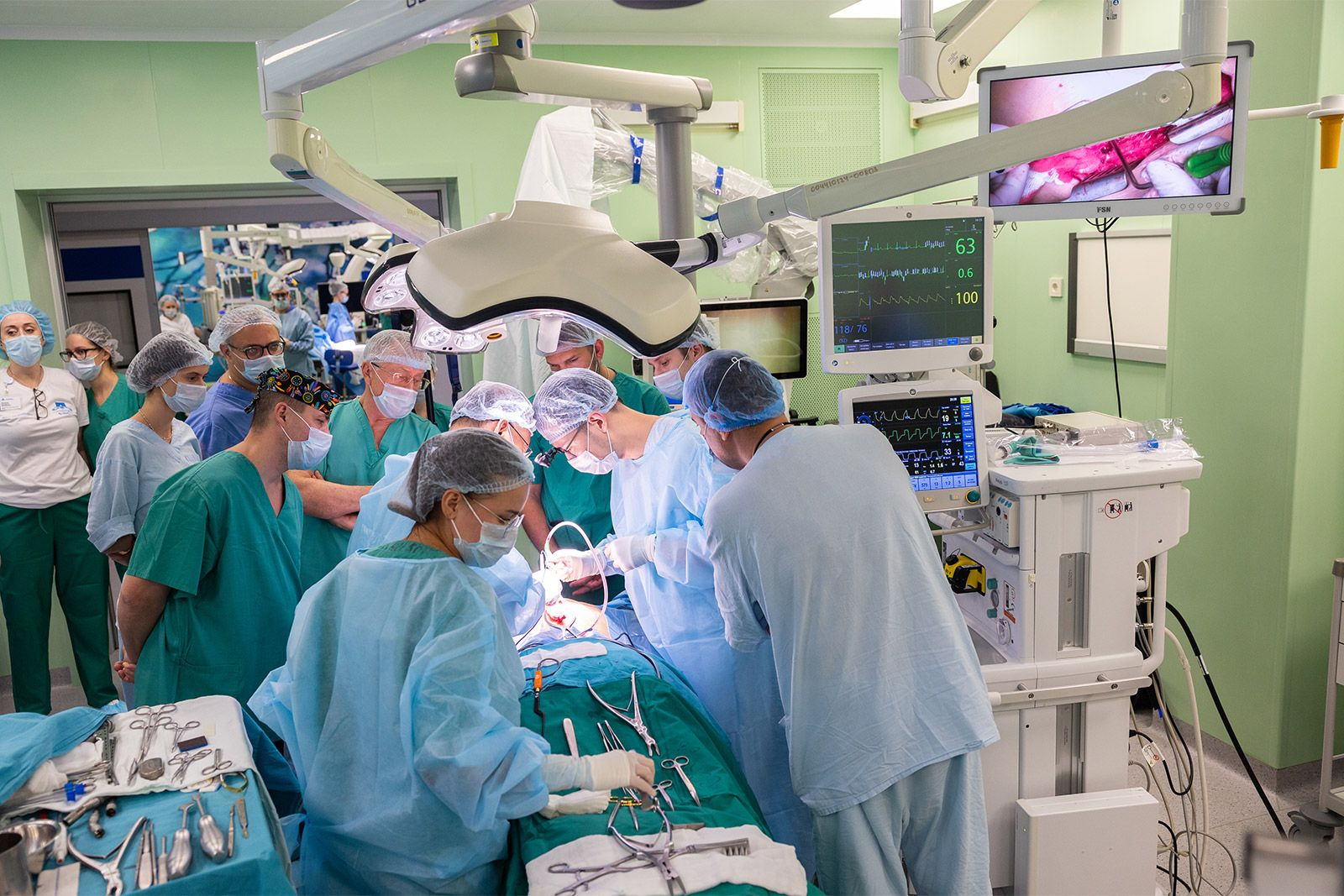

To reconstruct the damaged region, the doctors removed a portion of the injured tissue and replaced it with a segment of spinal cord taken from a deceased donor. However, this type of operation presents an immense challenge: the spinal cord is not merely a cable that can be cut and reconnected; it contains millions of nerve fibers responsible for transmitting information between the brain and various parts of the body.


When these connections are severely disrupted, the signals governing movement and sensation can no longer be transmitted normally. Unlike other types of tissue, the spinal cord has a very limited capacity to regenerate such connections following a serious injury—and it was precisely this obstacle that the surgeons sought to overcome. The team, led by Chinese physician Xiao Ping Ren, employed microsurgical techniques to connect the transplanted segment to the ends of the patient’s own spinal cord.


The donated tissue was transplanted along with its blood vessels, which allowed doctors to restore its blood supply. At the connection points, they used polyethylene glycol—known by the acronym PEG—a substance studied for its ability to promote the fusion of damaged cell membranes. The hope is that this combination will help establish new connections between nerve tissues; however, there is a fundamental difference between keeping a transplanted segment alive and ensuring it transmits signals correctly.


Even if the ends are physically joined, it does not mean that the neural circuits have regained their function. This is where the most significant questions regarding the operation arise, as independent researchers challenge whether the evidence obtained thus far in animals is sufficient to justify such an invasive surgery in humans. To date, no detailed clinical results have been made public that confirm the restoration of nerve communication through the transplant.


Ultimately, the key question now is not whether the doctors succeeded in transplanting the tissue, but whether the brain will be able to re-establish communication with the regions of the body that had lost that connection.


Sorry for my English, it's not my main language. The images were taken from the sources used or were created with artificial intelligence
