Artificial muscles for robotic locomotion
Artificial muscles for robotic locomotion
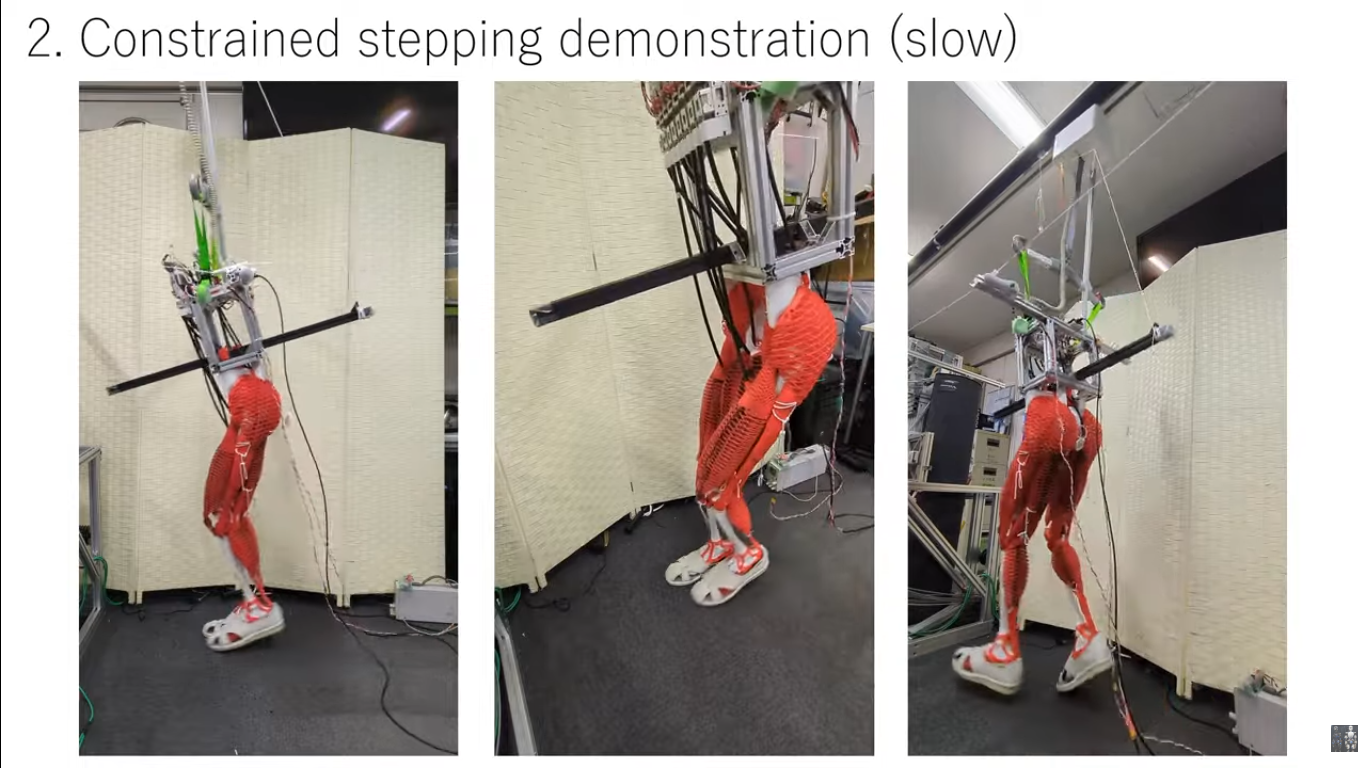

When we look at a walking robot, we typically see motors, gears, and joints attempting to replicate the movements of the human body. However, researchers at the University of Tokyo decided to take a different approach: building robotic legs that emulate not only our movements but also aspects of the structure of our muscles, tendons, and ligaments.
The material used is a thermoplastic polyurethane, known as TPU, which allows for the creation of flexible yet durable components. However, there is a significant difference compared to human muscles: these structures do not contract on their own. Instead, movement is generated by motors that pull cables connected to the legs, while the flexible components help transmit forces and control the joints.
Congratulations!
Your post has been selected and upvoted by the SteemPro Team 🚀
Explore more on SteemPro:
🌐 https://www.steempro.com
🎮 Play SteemHeights: https://www.steempro.com/games/steem-heights
💬 Join our Discord: https://discord.gg/Bsf98vMg6U
💪 Supporting the growth of the Steem ecosystem together.
🟩 Vote for witness faisalamin:
https://steemitwallet.com/~witnesses
https://www.steempro.com/witnesses#faisalamin
This is an automated message.