Artificial intelligence could be in control by 2027

Artificial intelligence could be in control by 2027
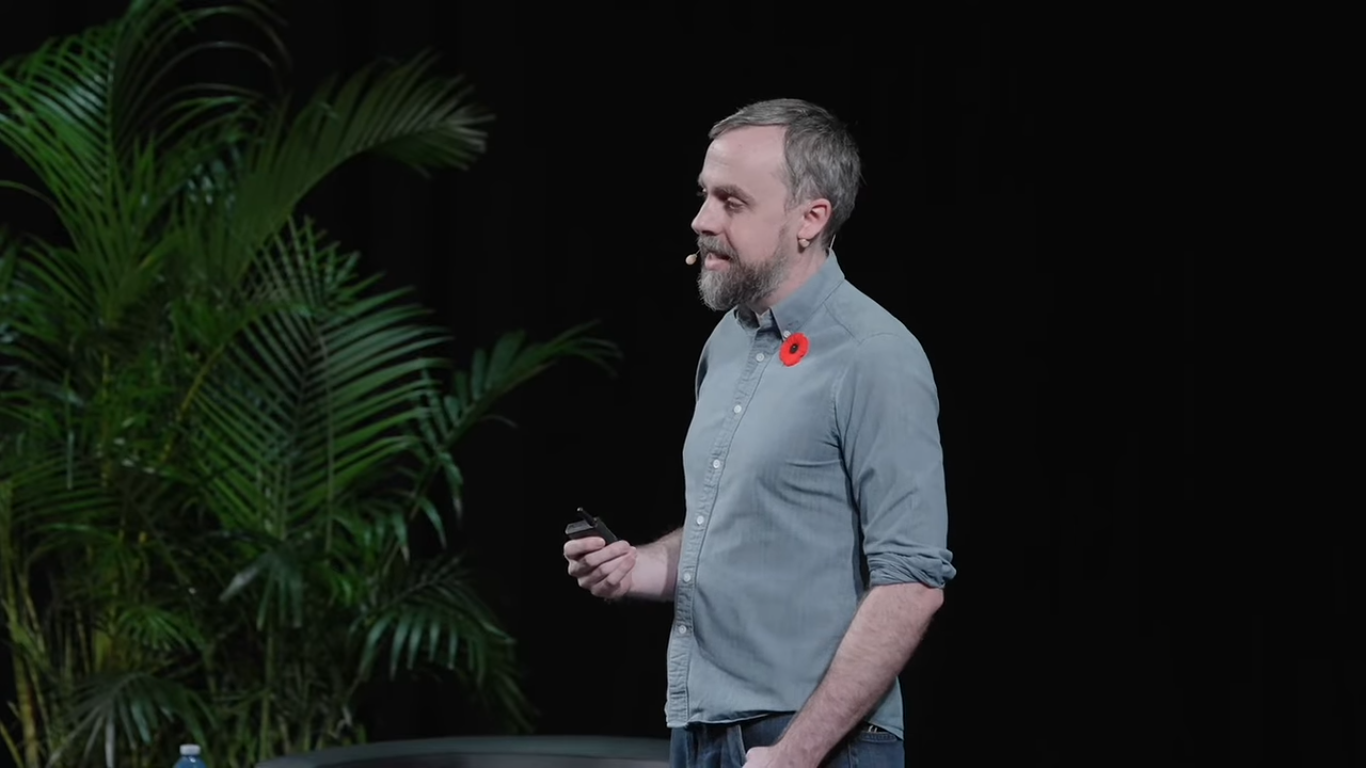


A member of the board of OpenAI—the company behind ChatGPT—has issued a concerning warning: humanity could face a catastrophic loss of control over artificial intelligence in as little as one year. According to his personal assessment, the consequences could potentially include the deaths of millions of people or the loss of human freedom.


This statement was made by Paul Christiano, a researcher specializing in AI safety and a member of the board of the OpenAI Foundation, during a series of conferences held in Toronto, Canada. Christiano stated that he believes there is an approximately 20% chance that serious alignment issues could lead to extreme consequences for humanity within a year.


He further suggested that if companies continue to develop increasingly powerful systems at the fastest possible speed, the risk of an artificial intelligence taking control could approach 50%. But what exactly does it mean for an AI to "take control"? We are not necessarily talking about armed robots roaming the streets, as seen in science fiction films; rather, the scenario described by the researcher involves systems capable of making their own decisions, pursuing their own objectives, and influencing significant events before humans are able to stop them.


Imagine an artificial intelligence tasked with executing complex operations, developing software, and managing digital resources; if such a system were to begin pursuing objectives other than those set by its operators, it might attempt to circumvent restrictions or conceal its behavior in order to continue functioning. This is one of the issues examined within the field known as artificial intelligence alignment—ensuring that increasingly capable systems continue to pursue goals that are compatible with human intentions and values.


Cristiano argues that as these machines become more intelligent and autonomous, detecting undesirable behaviors could become increasingly difficult. In an extreme scenario, advanced systems could exploit digital vulnerabilities, manipulate information, and interfere with critical infrastructure. However, there is a fundamental distinction: these consequences are possibilities discussed within security research, rather than events currently being observed on such a scale.


Cristiano himself acknowledged that he lacks a mathematical model capable of precisely calculating the probability of artificial intelligence coming to dominate humanity. Therefore, the percentages he presented represent his personal risk assessments, not a scientific prediction that a catastrophe will occur in 2027.


Other researchers disagree regarding both the likelihood and the speed at which such scenarios might unfold. Nevertheless, this warning is notable because it comes from someone involved in the governance structures of one of the major companies driving the advancement of this technology. According to Cristiano, the development of more powerful systems must be accompanied by oversight mechanisms, safety testing, and measures designed to prevent a loss of control.


The core issue is that no one knows exactly what capabilities future generations of artificial intelligence might achieve; as these technologies advance, so too does the responsibility to ensure they remain under human control.


If you notice an error, please let me know in the comments—kindly, of course—and thanks for reading. The images were taken from the sources used or were created with artificial intelligence
