Pulsar Fusion’s proposal for space travel
in Popular STEM • 5 days ago

Pulsar Fusion’s proposal for space travel


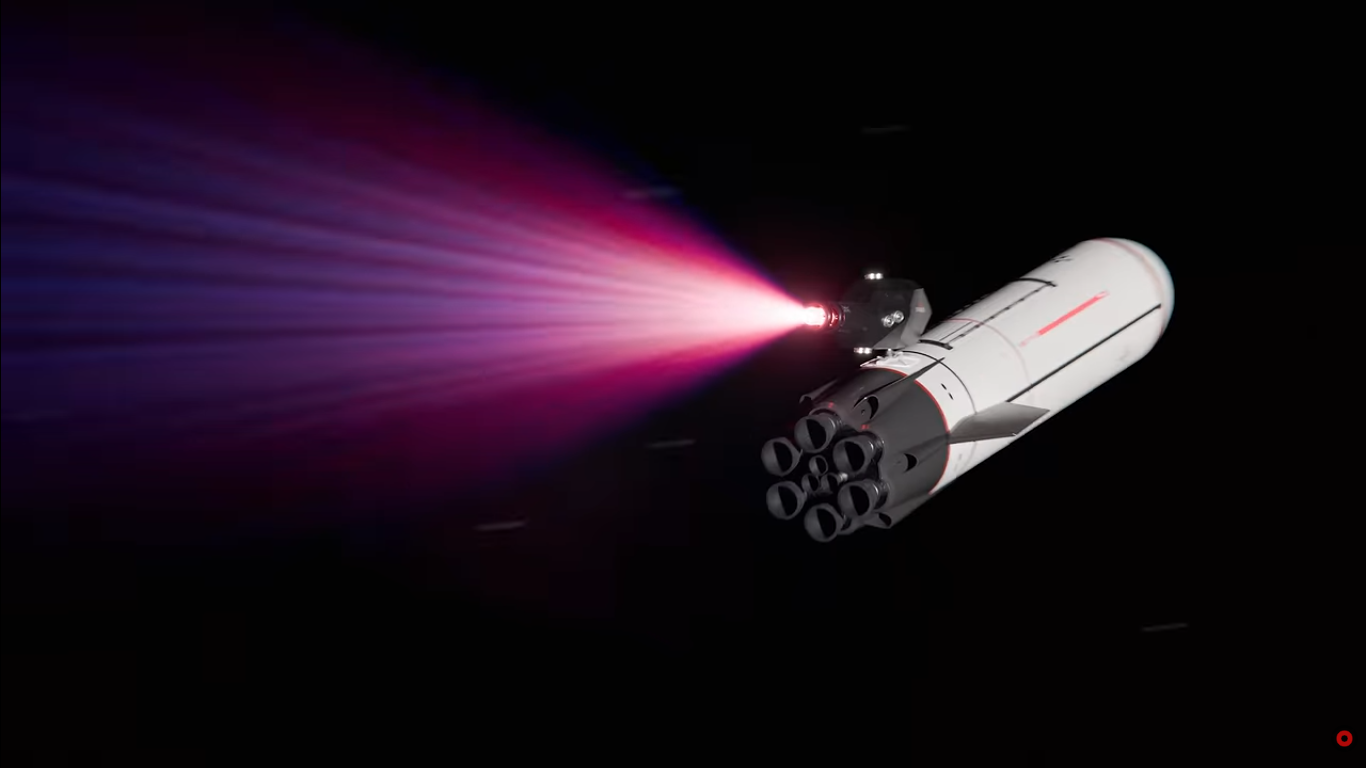
Imagine a spacecraft capable of docking with other vessels and transporting them to Mars, Jupiter, or Saturn, using the same nuclear reaction that powers the stars. This is the proposal behind Sunbird, a British project that aims to transform how we travel through the solar system. Although this technology is still far from its first mission, its developers have already successfully tested one of the fundamental stages of the future propulsion system.


Sunbird is being developed by the company Pulsar Fusion and was conceived to function as a kind of space tugboat. The concept involves conventional rockets transporting spacecraft and equipment into Earth's orbit; from there, Sunbird would dock with these payloads and propel them toward other planets.


The key differentiator lies in its propulsion system. While traditional rockets rely on chemical reactions to generate thrust, Sunbird aims to harness the energy released by nuclear fusion—a process in which light atomic nuclei combine, releasing vast amounts of energy. In theory, this would allow for escape velocities far exceeding those of chemical engines, while utilizing fuel much more efficiently.


The company is designing a system with a power output of approximately 2 MW and a specific impulse between 10,000 and 15,000 seconds. These specifications could enable faster missions, particularly to distant regions of the solar system. Scenarios proposed by Pulsar Fusion include transporting cargo to Mars and sending scientific probes to destinations such as Saturn, Titan, and even asteroids. According to one of the projections released, a spacecraft weighing approximately one ton could reach Pluto in about four years.


To transform this concept into a functional engine, engineers will need to generate and control fusion reactions, develop systems capable of withstanding extreme conditions, and demonstrate that the entire assembly can produce thrust efficiently and reliably. Pulsar Fusion also intends to incorporate superconducting magnets, as well as equipment to monitor plasma behavior and system performance.


The company has already presented plans for in-orbit technology demonstrations beginning in 2027, with the development of an operational system remaining an ambition for the coming decade. If the technology performs as its developers anticipate, it could open up new possibilities for space transport and scientific missions that currently require many years of travel. Their initial experiments illustrate how engineers are working to harness one of nature’s most powerful reactions to create a new method for space travel.


Source


The images without reference were created with AI
Thank you for visiting my blog. If you like posts about #science, #planet, #politics, #rights #crypto, #traveling and discovering secrets and beauties of the #universe, feel free to Follow me as these are the topics I write about the most. Have a wonderful day and stay on this great platform :) :)


! The truth will set us free and science is the one that is closest to the truth!