CALCIO A PAGAMENTO 🇮🇹🇬🇧
🇮🇹
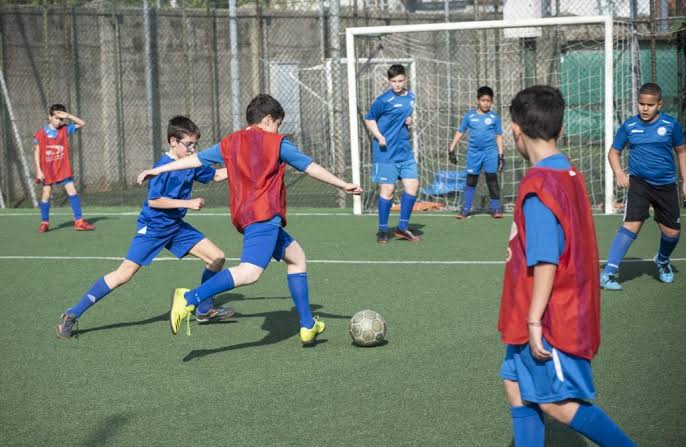
Leggevo tempo fa un articolo sul quanto una famiglia debba sborsare, ogni mese, per mandare i due figli, 8 e 10 anni, alla scuola calcio.
Oltre 1000 euro ogni anno.
Non solo la retta mensile o annuale, ma portarli a tutti gli allenamenti e a tutte le partite.
Del resto anche i miei amici ci sono passati coi loro figli, oggi 20/30 enni, quando hanno attraversato quell'eta'.
Non posso non fare paragoni con quando quell'eta' ce l'avevo io e di come il mondo si sia capovolto.
Ho iniziato a giocare a calcio in una societa' a 12 anni, venne un osservatore a vedere un torneo all'oratorio e mi chiese se ero interessato ad andare a giocare in quella societa' torinese.
Ne parlai a casa ed inzio' un percorso nel quale le famiglie quasi non mettevano becco.
Due allenamenti alla settimana, visto che eravamo tutti o quasi nello stesso quartiere il pulmino della societa' ci passava a prendere in un punto di raccolta per portarci all'allenamento, dopo lo stesso pulmino ci riportava a quel punto di raccolta.
Da ragazzini i campionati si facevano il sabato pomeriggio, di solito si giocava alle 15/15.30.
Visto che all'epoca alle medie, oggi secondarie, al sabato si andava a scuola fino a dopo le 13 il pulmino mi passava a prendere a scuola, uscivo col il leggero zaino della scuola (a quei tempi si viaggiava con pochi libri), col borsone del calcio ed un panino con la mortazza.
Dopo la partita il pulmino ci riportava al punto di raccolta utilizzato per gli allenamenti.
Credo che in diversi anni i miei genitori siano venuti due volte a vedermi giocare.
Le societa' ci davano tutto; borsa, magliette e pantaloncino per gli allenamenti, tuta da ginnastica da indossare per andare alle partite, buoni sconto per le scarpe da calcio, a volte quei buoni coprivano l'intero costo.
A Natale panettone e bottiglia.
Nulla gravava sulle famiglie, non un centesimo.
Certo c'erano imprenditori che potevano scaricare sulle societa' calcistiche utili delle loro aziende ricavandone prestigio, le societa' avevano il denaro per mantenersi e per le attrezzature sportive, poi e' uscita la legge che impediva questo benefit di cui gli imprenditori godevano e le societa' hanno dovuto trovar altri modi per finanziarsi.
Quindi si e' passato dal nulla a carico a tutto a carico delle famiglie.
Forse si stava meglio quando si stava peggio.
🇬🇧
Some time ago, I read an article about how much a family has to shell out each month to send their two children—aged 8 and 10—to soccer school.
Over 1,000 euros a year.
And that’s not just the monthly or annual fee; it also includes the time and effort spent taking them to every single practice session and match.
My friends went through the same thing with their own children—who are now in their twenties or thirties—back when they were that age.
I can’t help but compare it to when I was that age, and reflect on how much the world has turned upside down.
I started playing for a club when I was 12. A scout spotted me at a tournament held at the local parish sports ground and asked if I’d be interested in joining a club in Turin.
I talked it over at home, and it began a journey in which our families were barely involved.
We had two training sessions a week; since most of us lived in the same neighborhood, the club’s minibus would pick us up at a designated spot, take us to practice, and drop us back off at that same location afterward.
Back then, league matches were held on Saturday afternoons, usually kicking off around 3:00 or 3:30 PM.
Since we had school on Saturdays—back when middle school (now known as lower secondary school) meant classes until after 1:00 PM—the minibus would pick me up right at school. I’d walk out carrying my light school bag (we didn’t carry many books in those days), my soccer kit bag, and a sandwich with mortadella.
After the match, the minibus would take us back to the same pickup point used for training.
I think my parents only came to watch me play twice over all those years.
The clubs provided everything; A sports bag, training shirts and shorts, a tracksuit to wear when traveling to matches, and discount vouchers for soccer cleats—sometimes even covering the full cost.
At Christmas, a panettone and a bottle of wine.
Nothing was a financial burden on the families—not a single cent.
Of course, there were business owners who could channel profits from their companies into the soccer clubs, gaining prestige in the process; the clubs had the funds to sustain themselves and provide sports equipment. Then, a law was passed that put an end to this benefit, and the clubs had to find other ways to finance themselves.
And so, it went from zero cost for families to having to cover everything themselves.
Perhaps things were better back when they were "worse."